Top 10 Light Curtain Muting Sensors for Global Buyers?
In the ever-evolving landscape of industrial safety, "Light Curtain Muting Sensors" play a crucial role. These sensors enhance productivity while ensuring worker safety. They function by temporarily muting safety light curtains when necessary, allowing for seamless operation without compromising security.
Understanding the diverse offerings in the market is vital for global buyers. The top ten light curtain muting sensors vary in design, functionality, and application. Each sensor has unique features, catering to specific industrial needs. Some sensors impress with advanced technology, while others offer simplicity and reliability.
However, buying the right sensor can be challenging. It's essential to evaluate various factors, such as response time, muting capabilities, and compatibility with existing systems. Ensuring these components meet safety standards is a must. As you explore your options, reflect on your specific requirements and local regulations. This thoughtful approach will guide you toward the best choice for your organization.
Overview of Light Curtain Muting Sensors
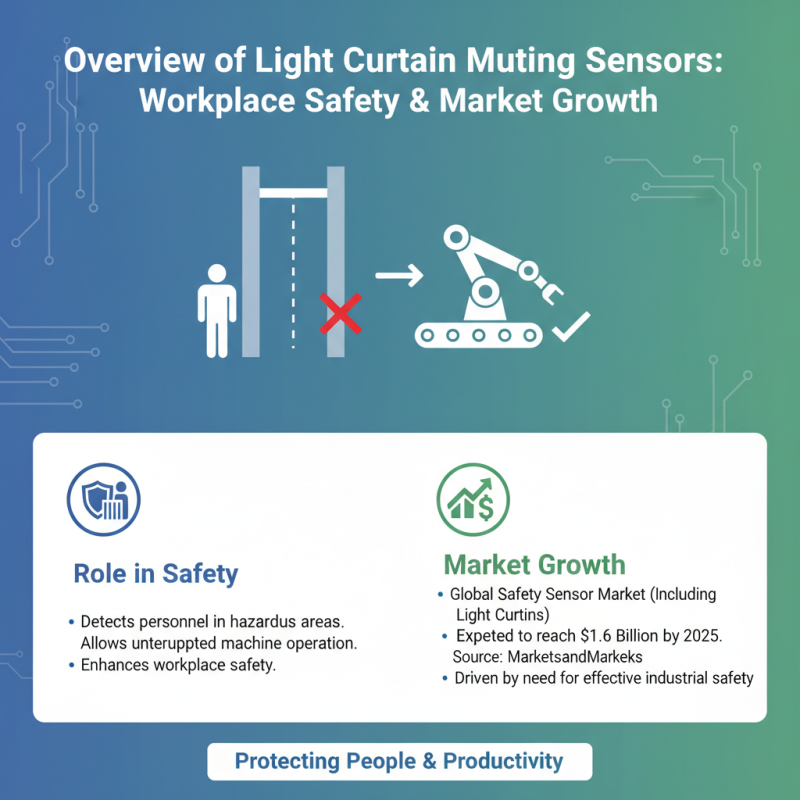
Light curtain muting sensors play a crucial role in enhancing workplace safety. These sensors detect the presence of personnel in hazardous areas while allowing the uninterrupted operation of machinery. According to a report by MarketsandMarkets, the global market for safety sensors, including light curtains, is expected to grow significantly, reaching $1.6 billion by 2025. This shows a clear need for effective safety solutions in industrial settings.
The functionality of light curtain muting sensors lies in their ability to distinguish between a person and an object. They help prevent unwanted machine shutdowns when workers enter protected zones briefly. However, implementing these sensors requires careful calibration. Poorly configured sensors may lead to accidental machine stops or, worse, increased risk of accidents. Many industry experts emphasize the importance of regular training and maintenance for optimal performance, as even state-of-the-art sensors can become ineffective if neglected.
Research indicates that nearly 30% of workplace accidents are related to machinery. Inadequate safety measures are often at the root of these incidents. Therefore, investing in high-quality light curtain muting sensors is essential. Yet, simply adding these sensors is not a complete solution. Organizations need to foster a safety culture that prioritizes training and employee awareness as much as technology.
Key Features and Specifications to Consider
When selecting light curtain muting sensors, consider several critical features. Check the sensor's response time, as it directly impacts safety and efficiency. A response time of 10 milliseconds is common in leading models. This quick detection reduces the likelihood of accidents. Many industries rely on this fast response to enhance operational flow.
Another important specification is the muting capability. Sensors should navigate between detection and muting effectively. Look for models that offer configurable muting parameters. This adaptability can optimize performance in various work environments. Research indicates that about 30% of downtime is due to sensor misconfiguration. Thus, intuitive setup is essential.
Also, ensure the sensors comply with safety standards. EN 61496 is a key regulatory directive in Europe. Compliance guarantees reliability and effectiveness in protecting personnel and machinery. Regular maintenance is often overlooked yet crucial. Periodic checks can avoid malfunction or inefficiency. In an industry report, 25% of light curtain systems were found to have reduced effectiveness due to lack of maintenance. Focus on these aspects to boost your safety protocols.
Top 10 Recommended Light Curtain Muting Sensors
When selecting light curtain muting sensors, buyers should consider several key features. These sensors are crucial for safeguarding personnel while maintaining process efficiency. They detect objects within a defined space, allowing machinery to operate seamlessly. Many options available today emphasize ease of installation and versatility in various industrial environments.
Recommended light curtain muting sensors often showcase a range of sensing heights and response times. Some models feature adjustable settings, enabling users to tailor the sensors to specific applications. The ability to mute the sensors during routine operations can enhance productivity. However, users should be mindful of potential blind spots. Some setups may require additional adjustments or safety measures to prevent accidents.
The reliability of light curtain muting sensors is vital. Users should prioritize options with robust construction to withstand harsh conditions. Regular maintenance is also essential to ensure optimal performance. The balance between efficiency and safety can be tricky. Engaging with experts can lead to better choices in sensor technologies, ensuring you meet safety standards without sacrificing productivity.
Comparison of Pricing and Availability
When considering light curtain muting sensors, pricing and availability can vary widely. Different regions may have distinct manufacturers and distributors. Prices fluctuate based on technology, features, and specifications. Import tariffs and local economies also play a role. In general, basic models might start at lower price points, while advanced versions may be more costly.
Availability is another critical factor. Some models are readily accessible in major markets. Others may have limited stock or longer lead times. Buyers should verify local suppliers and gauge their inventory levels. Comparing multiple vendors could reveal significant differences. It’s essential to assess both price and availability concurrently. This can save time and resources.
While seeking the best options, be prepared for some unexpected challenges. Some sensors may not meet specific operational standards. Others might be delayed in shipping or require specialized setup. This emphasizes the need for thorough research before making a decision. Engaging with industry experts can provide valuable insights into the best choices for your needs.
Top 10 Light Curtain Muting Sensors for Global Buyers
| Model |
Price (USD) |
Availability |
Detection Range (mm) |
Response Time (ms) |
| Model A |
$250 |
In Stock |
500 |
10 |
| Model B |
$280 |
In Stock |
600 |
8 |
| Model C |
$300 |
Out of Stock |
700 |
12 |
| Model D |
$230 |
In Stock |
650 |
11 |
| Model E |
$270 |
Limited |
800 |
9 |
| Model F |
$320 |
In Stock |
900 |
7 |
| Model G |
$350 |
In Stock |
750 |
10 |
| Model H |
$400 |
Out of Stock |
1000 |
6 |
| Model I |
$450 |
Limited |
1100 |
5 |
| Model J |
$290 |
In Stock |
600 |
11 |
Application Areas and Use Cases for Light Curtain Sensors
Light curtain sensors have become essential safety devices across various industries. These sensors protect workers and machinery by detecting obstructions in hazardous areas. They are widely used in manufacturing, robotics, and material handling applications. According to a report by MarketsandMarkets, the global light curtain market is projected to grow from USD 1.17 billion in 2020 to USD 1.66 billion by 2025, highlighting the increasing demand for safety solutions.
In manufacturing, light curtains help automate operations while ensuring that safety is a priority. They allow for uninterrupted production flow, enabling machinery to operate only when the monitored area is clear. The automotive and electronics sectors often rely on these sensors for assembly lines. Additionally, the food and beverage industry utilizes light curtains for safeguarding employees when handling heavy equipment. According to industry data, 70% of accidents in these settings are preventable with proper safety measures in place.
However, there are challenges behind their implementation. Misalignment can lead to sensor failure, which might compromise safety. Furthermore, environmental factors like dust and light interference can affect their performance. Continuous training and updates on best practices are necessary to address these issues. Companies must also consider the ongoing maintenance and calibration of light curtain systems to ensure reliability in safety protocols.