How to Choose the Best Safety Light Barrier for Your Needs?
Selecting the appropriate Safety Light Barrier can be a daunting task. With varying features and specifications, understanding your requirements is crucial. According to a report by the International Machine Safety Association, nearly 30% of workplace accidents are attributed to inadequate safety measures. This highlights the importance of investing in high-quality safety light barriers.
Industry expert Dr. Sarah Thompson noted, "Choose a Safety Light Barrier that meets your specific operational needs to ensure effectiveness." This underscores the need for tailored solutions. The right choice improves safety and can enhance productivity. Many manufacturers provide different models, which may lead to confusion.
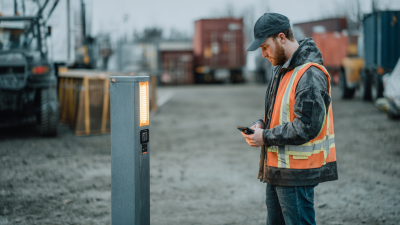
Consider the environment where the Safety Light Barrier will be used. Factors include the presence of dust, moisture, and temperature variations. A barrier that works well in one setting may not be suitable for another. Taking the time to evaluate your options thoughtfully can save time and resources in the long run.
Understanding Safety Light Barriers and Their Applications
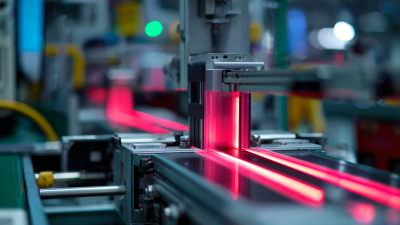
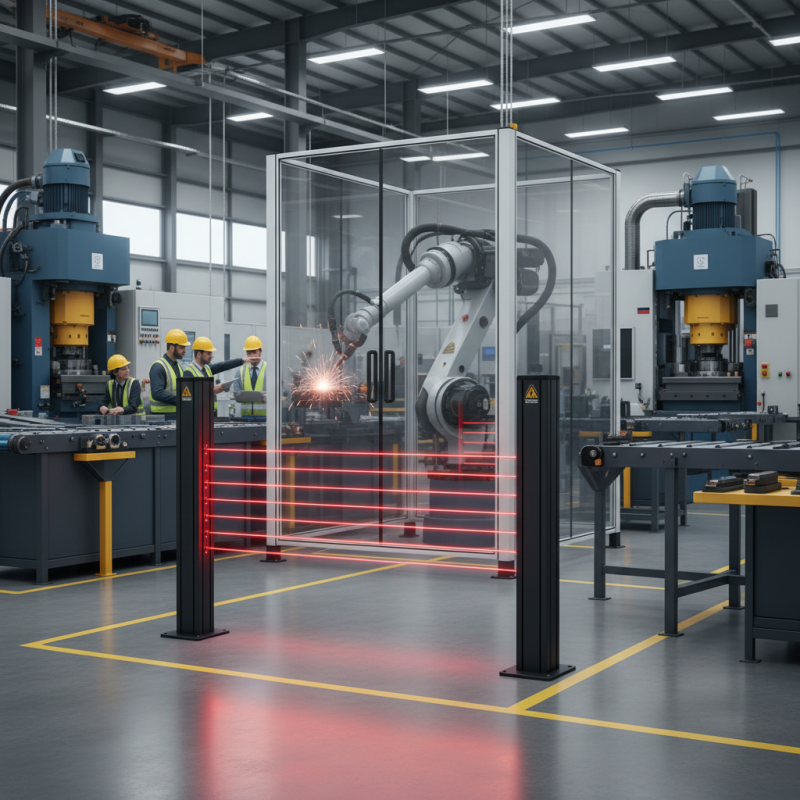
Safety light barriers are essential for ensuring workplace safety in various industrial applications. They detect the presence of objects or individuals in hazardous areas, helping to prevent accidents. These systems use advanced optical technology to create an invisible safety zone. When any object interrupts the light beam, the barrier triggers a response, such as stopping machinery or activating alarms.
Understanding the functions and applications of safety light barriers is crucial. They are used in automated machinery, robotic cells, and assembly lines. Different environments will require specific features to maintain effectiveness. For example, dusty or wet areas might need barriers with robust protective housings. This adaptability allows them to fit seamlessly into diverse operational settings.
Despite their effectiveness, it is important to regularly assess the barriers for performance. Factors like light interference or misalignment can hinder their operation. In some cases, users may overlook these issues, leading to safety risks. Regular evaluations ensure these barriers serve their purpose effectively, contributing to a safer workplace environment.
Key Factors to Consider When Selecting a Safety Light Barrier
When choosing a safety light barrier, consider your specific application. The environment plays a crucial role. Factors such as dust, moisture, and temperature fluctuations can affect performance. Ensuring the barrier is suitable for these conditions can enhance reliability.
Pay attention to the detection range. How far away can the barrier sense objects? A broader range might be necessary for large machinery. However, excessive range can lead to false alarms. The balance is key. Additionally, consider installation ease. Complex setups can lead to errors. Simple installations save time and money.
Another important factor is the response time. Faster response times can prevent accidents. Think about the speed of moving objects in your environment. Reflect on whether the configuration allows for adjustments. Flexibility can be beneficial for changing needs. Evaluate durability as well. A strong build can withstand impacts and prolong the barrier's lifespan. Emphasizing these key factors can lead to a more effective safety solution.
How to Choose the Best Safety Light Barrier for Your Needs?
| Key Factor |
Description |
Importance Level |
| Sensing Range |
The distance over which the safety light barrier can detect an object. |
High |
| Resolution |
The smallest object size that can be detected by the barrier. |
Medium |
| Environmental Conditions |
Factors such as dust, humidity, and temperature that may affect performance. |
High |
| Response Time |
The time taken by the barrier to detect an object and respond. |
High |
| Safety Standards Compliance |
Adherence to relevant safety regulations and standards. |
Critical |
| Installation Ease |
The complexity of setting up the barrier in the designated area. |
Medium |
| Cost |
The overall investment required to purchase and maintain the barrier. |
Medium |
Types of Safety Light Barriers: Which One Is Right for You?
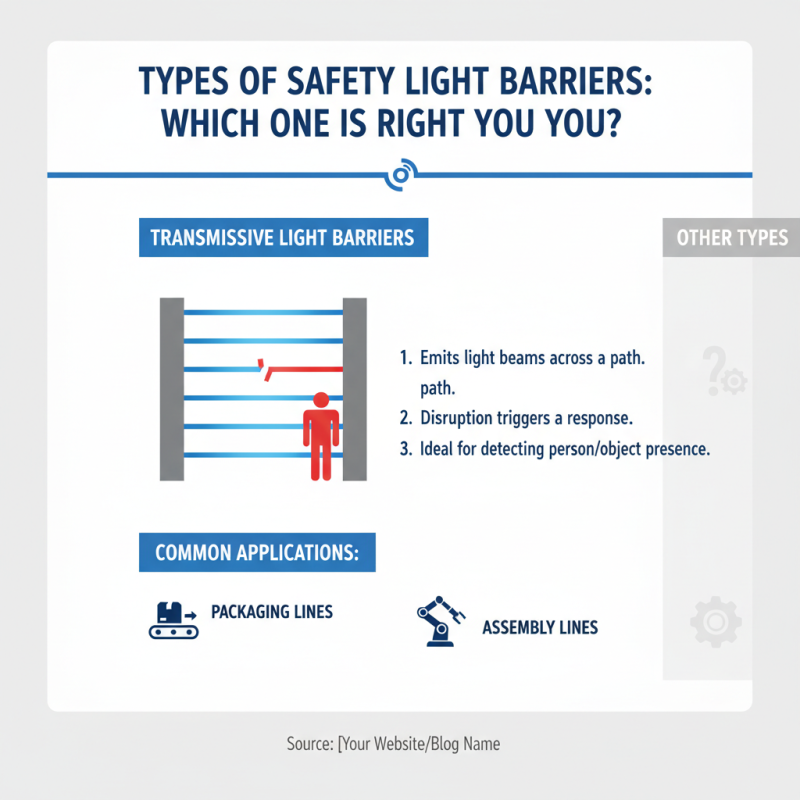
When selecting a safety light barrier, understanding the types available is crucial. There are several configurations tailored for different applications. For instance, transmissive light barriers emit beams of light across a path. When an object disrupts the beam, it triggers a response. Reports indicate that these are often used in packaging and assembly lines where detecting person or object presence is vital.
Reflective safety light barriers, conversely, utilize mirrors to reflect emitted beams back to the sensor. This design is typically more cost-effective and easier to install. According to a study by the International Safety Equipment Association, reflective barriers are 30% less expensive than transmissive ones. Yet, they may have limitations in environments with varying light conditions.
Choosing the right type requires an evaluation of your specific needs and operational environment. Each type of barrier has its strengths and weaknesses. For example, while transmissive barriers offer higher accuracy, they are more susceptible to dirt and debris. Regular maintenance is necessary to ensure reliable operation. A thorough assessment of both your operational requirements and the barriers' specifications is essential for optimal safety.
Evaluating the Performance and Reliability of Light Barriers
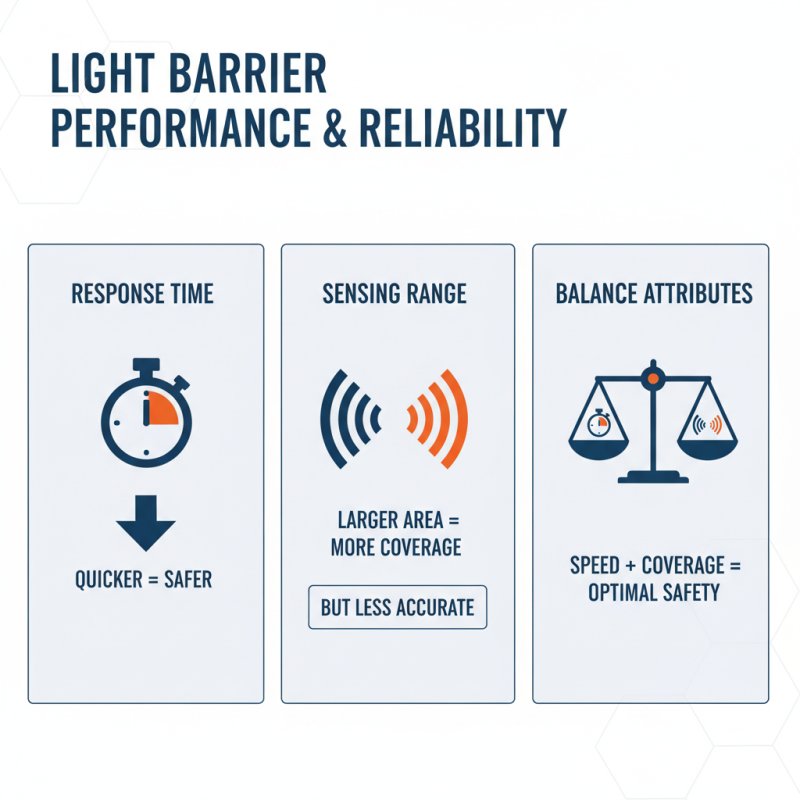
When evaluating the performance of safety light barriers, several factors come into play. For instance, response time is crucial. A quicker response time can help prevent accidents in industrial environments. You should also consider the sensing range. A barrier that covers a larger area may provide more comprehensive safety. However, larger barriers can sometimes be less accurate. It's essential to balance these attributes wisely.
Reliability is another critical element. A reliable light barrier should operate consistently under various conditions. Look for features like self-diagnostics. These features can alert operators about potential failures. Environmental factors also impact reliability. Dust, moisture, and temperature fluctuations can affect performance. Choosing a barrier that can withstand these conditions ensures long-term functionality.
While assessing these parameters, reflection on past experiences is necessary. You may find that previous choices did not meet all your needs. Take time to analyze what worked well and what didn’t. This reflective process can guide you toward better decisions in the future. Remember, the goal is not just to meet safety standards, but to enhance overall workplace safety effectively.
Installation and Maintenance Tips for Optimal Safety Light Barriers
When it comes to safety light barriers, installation quality directly affects performance. Research shows that improperly installed barriers can result in up to 30% failure rates. To avoid this, ensure the barriers are aligned properly with clear detection zones. Regular checks on the mounting and environmental conditions are essential. Dust, debris, or misalignment can jeopardize safety.
Maintenance is just as crucial. A report from the Safety Equipment Association indicates that ongoing maintenance can reduce equipment failure risks by 25%. Implement a routine inspection schedule for your safety light barriers. Look for signs of wear or malfunction. Clean the lens regularly to maintain optimal sensitivity. Remember, keeping all components in good condition is key to compliance with safety standards.
One might overlook the importance of staff training too. Operators should understand how to correctly monitor these safety systems. Misinterpretation of signals can lead to dangerous situations. Regular training sessions can minimize this risk, fostering a culture of safety. A proactive approach in both installation and maintenance safeguards both employees and operations.
Safety Light Barrier Performance Comparison
This bar chart compares the detection range, response time, and durability of various safety light barriers. The data showcases the key performance indicators that are essential when choosing the best safety light barrier for your needs.