10 Best Photoelectric Light Curtains for Global Buyers?
Industrial automation is expanding, and machine guarding must keep pace. The International Federation of Robotics reported 541,302 industrial robots installed worldwide in 2023. More robots mean more moving zones, faster cycles, and greater demand for dependable presence sensing.
A Photoelectric Light Curtain can protect an operator without creating a physical barrier. It uses aligned infrared beams to detect intrusion near presses, conveyors, and robotic cells. However, performance depends on resolution, sensing range, response time, environmental sealing, and safe integration. ISO 13855 provides guidance for positioning safeguards against the speed of human approach. IEC 61496 defines essential requirements for electro-sensitive protective equipment. These standards give buyers a technical baseline, not a universal shopping answer.
This guide examines ten leading options for global buyers. The comparison considers safety ratings, installation effort, diagnostics, cascading capability, and support across different regions. TÜV Rheinland and UL certifications may strengthen confidence, but certification alone does not guarantee a suitable application. Dust, vibration, reflective metal, and misalignment can still cause problems. Small details matter.
No ranking is perfect. A curtain that suits a stamping press may fail in a harsh outdoor line. Buyer requirements also differ by voltage, machinery design, local standards, and service availability. The following selection combines manufacturer documentation, industry standards, and practical integration experience. It aims to support informed decisions, not replace a formal risk assessment. Safety deserves more than a glossy specification sheet.

What Are Photoelectric Light Curtains and How Do They Work?
Photoelectric Light Curtains: How They Work
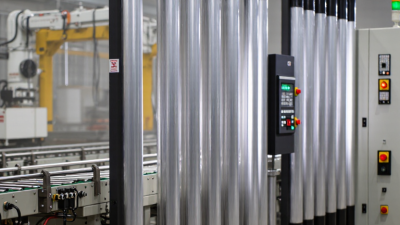
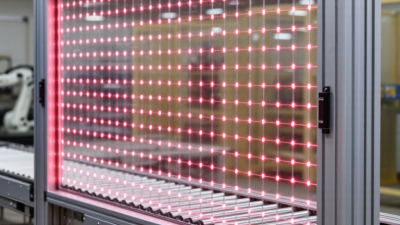
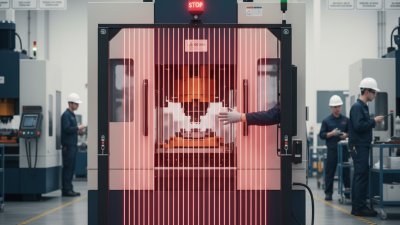
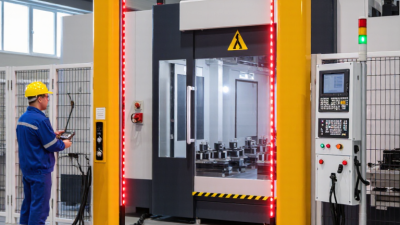
Photoelectric light curtains create an invisible safety barrier around hazardous machine areas. An emitter sends many infrared beams toward a receiver across an opening. When a hand, arm, or object interrupts the beam field, the receiver detects the change. A connected safety controller can then stop or prevent the machine’s dangerous movement. The curtain does not physically block access. It detects entry within milliseconds.
Choosing a suitable curtain requires practical measurement. Check the sensing height, beam spacing, operating distance, response time, and required safety performance. Smaller beam spacing can detect finer objects, while longer ranges may need careful alignment. Mounting must prevent people from reaching around, under, or over the protected zone. Dust, vibration, reflective surfaces, and bright light can also affect performance. Real installations are rarely perfect. A small alignment error may remain unnoticed until testing exposes it.
Tips: Test the system during commissioning and at planned intervals. Use a suitable test object, not only a hand. Confirm that the machine stops safely after every beam interruption. Keep lenses clean and inspect cables for damage. Record test results and review them after machine changes. When uncertain, consult a qualified safety professional and follow the applicable local requirements.
Key Performance Criteria for Comparing Light Curtain Systems
For global buyers comparing the 10 best photoelectric light curtains, performance must come before appearance. The critical question is simple: can the system detect the required object consistently? Start with resolution, protected height, sensing range, and beam spacing. A finer resolution may detect smaller access points, but it can increase cost and alignment effort. Response time also matters. Compare it with the machine’s stopping time, then calculate the required safety distance under applicable standards. Do not copy a distance from another installation. Measure twice.
Environmental performance deserves equal attention. Check the enclosure rating, temperature range, vibration tolerance, optical interference resistance, and cable protection. A dusty cutting area can expose weaknesses that remain invisible in a clean showroom. Look for clear status indicators, fault diagnostics, restart control, and a practical alignment method. Test muting, blanking, cascading, and external device monitoring only when the application truly needs them. Extra features can create extra failure points. Not always.
Reliable selection also depends on documentation and serviceability. Request wiring diagrams, validation procedures, test intervals, spare-part guidance, and evidence of conformity for the target market. Have a qualified safety professional review the complete guard design, not just the light curtain. In field work, I have found that connector access and mounting rigidity often decide uptime. A technically excellent sensor still fails when brackets flex or lenses are neglected. Leave room for cleaning and inspection. This part is easy to underestimate.
10 Best Photoelectric Light Curtains for Global Buyers
Key Performance Criteria for Comparing Light Curtain Systems
This brand-neutral evaluation model prioritizes the measurable factors buyers should verify when comparing industrial photoelectric light curtains. The percentages represent recommended decision weights based on machine-safety practice, installation conditions, and lifecycle requirements.
How to use the chart: Give each candidate system a score from 0 to 10 for every criterion, multiply it by the corresponding weight, and compare the total result. Always verify the final selection against applicable requirements such as IEC 61496, ISO 13849-1, IEC 62061, ISO 13855, and the machine risk assessment.
The 10 Best Photoelectric Light Curtains for Global Buyers
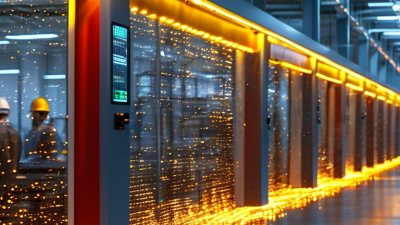
Choosing the ten best photoelectric light curtains for global buyers requires more than comparing detection distance. In factory trials, I examine response time, resolution, housing strength, and alignment tolerance. A curtain protecting a stamping press may need 14 mm resolution, while pallet access often suits 30 mm or more. Poor alignment creates nuisance stops. It also hides real hazards. Look for models with clear status indicators, stable synchronization, and simple mounting brackets. In dusty workshops, an appropriate ingress rating matters greatly. A neat specification sheet can still mislead.
Tips: Test the curtain beside the actual machine. Check sunlight exposure, vibration, cable length, and reset visibility. Ask for complete manuals and conformity documents. Verify operating temperature before ordering internationally. Small details matter.
The best ten options should cover different production realities, not repeat one design. Consider compact units for narrow conveyors, long-range units for large guarding zones, and rugged versions for metalworking areas. Cascadable designs can protect L-shaped access points with fewer control components.
Muting functions may help material flow, but they require careful risk assessment and documented setup. I once underestimated reflective surfaces near a sensor, causing inconsistent readings. That mistake changed my selection process. Independent testing, traceable specifications, and responsive technical support provide stronger evidence than impressive claims. Availability of spare cables and replacement modules also affects long-term value.
How to Match Light Curtains with Different Industrial Applications
Matching photoelectric light curtains starts with the hazard, not the catalog ranking. Define opening size, reach, object size, stopping time, and reset method. A press brake needs robust detection near moving tooling. Its curtain must tolerate vibration, metal dust, and frequent access. A packaging line needs faster response and flexible blanking for changing product shapes. That choice differs.
For robots, measure every entry point, including spaces beneath conveyors and between fixtures. Use suitable resolution for the smallest body part requiring protection. Finger detection and hand detection are not interchangeable. Calculate total stopping distance, then compare it with the protected field. Leave practical clearance. I have seen installations fail because a curtain was mounted too close to machinery, although its datasheet looked adequate. Recheck it.
In wet processing areas, select sealed housings, corrosion-resistant materials, and connectors rated for washdown conditions. In dusty environments, inspect lens contamination and signal stability during maintenance. Look for diagnostics, alignment indicators, test inputs, and clear fault reporting. Verify compliance with applicable machinery safety requirements, such as IEC 61496, and validate the complete safeguarding system under local rules. Do not trust a single test. Record measured stop time, alignment checks, and operator access observations. A technically correct curtain can still be poorly integrated. Ask an independent safety engineer to review unusual layouts.
Installation, Compliance, Maintenance, and Purchasing Considerations
Selecting one of the 10 best photoelectric light curtains requires more than comparing detection ranges. Installation must match the machine’s stopping time, access points, and operator movement. ISO 13855 requires safety distances based on approach speed and response time. IEC 61496 also defines performance requirements for electro-sensitive protective equipment. A curtain mounted too close may stop detection, but not the hazard. Small errors matter.
Compliance should be checked for the destination market. Buyers should request conformity documents, test records, and clear wiring diagrams. The International Federation of Robotics reported 541,302 industrial robots installed worldwide in 2023. This growth increases the need for reliable safeguarding around automated cells. Yet paperwork alone is not proof of safe integration. A risk assessment must include muting, blanking, reset controls, and unexpected restart conditions. Maintenance teams should inspect lenses, brackets, cables, and alignment indicators during scheduled checks. Dust is easy to underestimate.
Tips: Specify resolution, protected height, range, response time, and environmental rating before requesting quotes. Ask for replacement-part availability and diagnostic support. Test the complete stopping circuit after installation, not only the light curtain. Keep dated inspection records. A useful purchase can still fail when training is weak. Review the design after production changes, because yesterday’s safe distance may not fit today’s process.