2026 Top Photoelectric Light Curtain Buying Guide for Global Buyers?
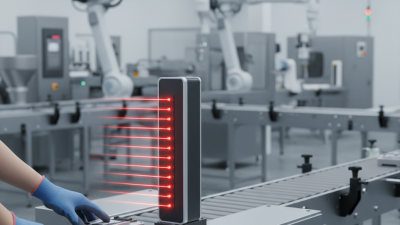
When considering the purchase of a Photoelectric Light Curtain in 2026, a comprehensive guide is essential. The importance of selecting the right model cannot be overstated. A Photoelectric Light Curtain serves as a protective measure in various industries. It detects objects and prevents accidents. Thus, it's vital for buyers to understand their needs clearly.
Choosing the right Photoelectric Light Curtain involves understanding different features. These may include detection range, response time, and installation requirements. Each feature plays a critical role in performance. Relying solely on price may lead to suboptimal choices. Buyers should research reputable brands and read reviews for real-world insights.
In this guide, we aim to navigate the complexities of the market. However, it's important to recognize that every user’s needs are unique. What works for one industry may not suit another, underscoring the need for careful consideration. As buyers delve into options this year, reflection on their specific requirements will ensure a more informed decision.
Understanding the Basics of Photoelectric Light Curtains in 2026
Understanding the basics of photoelectric light curtains is essential for buyers in 2026. These devices are crucial for ensuring safety in industrial environments. Utilizing optical technology, they create an invisible barrier. When an object interrupts this barrier, an immediate response occurs. According to industry reports, the global market for photoelectric light curtains is projected to grow by over 7% annually. This growth reflects increasing safety regulations and technological advancements.
Key specifications include detection distance and resolution. Most curtains have a range of 0.5 to 15 meters, depending on the model. The resolution can vary as well. Some light curtains detect objects as small as 30 mm. However, improper installation can lead to safety risks. It's vital for manufacturers to provide clear guidelines for installation. Some reports suggest that nearly 30% of incidents stem from user errors.
Understanding these factors helps buyers make informed choices. Buyers should consider how often the product will be used. Product lifespan and maintenance needs are also significant. It's easy to overlook these details, but they can affect long-term costs. Always weigh upfront pricing against potential long-term efficiency.
2026 Top Photoelectric Light Curtain Buying Guide for Global Buyers
| Feature |
Description |
Importance |
Price Range (USD) |
| Detection Range |
Distance at which the light curtain can accurately detect objects. |
High - Ensures safety and functionality in applications. |
50 - 2000 |
| Response Time |
Speed at which the system detects interruptions and triggers response. |
Critical - Faster response times enhance safety. |
100 - 500 |
| Resolution |
Smallest object size that can be detected by the light curtain. |
Medium - Affects accuracy in diverse applications. |
150 - 600 |
| Configuration |
Different set-ups including single beam, multiple beams, etc. |
High - Allows adaptability to various environments. |
200 - 800 |
| Environmental Rating |
Rating indicating the robustness of the device against environmental factors. |
Essential - Critical for outdoor use or harsh settings. |
300 - 1000 |
Key Factors Affecting the Selection of Photoelectric Light Curtains
When selecting photoelectric light curtains, several factors play a crucial role. Understanding these can enhance safety and efficiency. The operating environment is one important consideration. Dust, moisture, and extreme temperatures can affect device performance. Assess where the curtains will be installed before making a decision.
Another key factor is the required safety level. Different applications need varying levels of protection. High-risk areas may require more advanced systems. Always evaluate the risk associated with the specific application. This assessment can guide you toward the right specifications and features.
Tips: Consider the installation space. Ensure there is enough room for proper setup and function. Evaluate maintenance requirements. Some systems need regular checks, while others are more self-sufficient. Reliability depends on these factors. Don't rush the selection process. Take time to review each option carefully.
2026 Top Photoelectric Light Curtain Market Analysis
Comparative Analysis of Market Leaders in Photoelectric Light Curtain Technology
The photoelectric light curtain market is evolving rapidly. Industry reports indicate a projected growth rate of 7% annually through 2026. Factors such as increased safety regulations and automation in industries drive this demand. Companies must stay ahead by understanding technological advancements.
A comparative analysis of market leaders reveals varying strengths. Some prioritize detection accuracy, while others excel in integration capabilities. Research shows that 45% of buyers value usability over technical specifications. Additionally, 35% consider the adaptability of light curtains to different environments crucial. This gap between features and buyer expectations highlights an area needing improvement.
Challenges remain in market penetration. New entrants face hurdles in showcasing reliability. Data indicates that 60% of users encounter compatibility issues with existing systems. Learning from these challenges is essential. Understanding user feedback helps refine product development. Continuous adaptation to user needs ensures relevance in a competitive landscape.
Evaluating Safety Standards and Compliance for Light Curtains in Industry
Safety standards for photoelectric light curtains are crucial in industrial applications. These devices protect workers by detecting the presence of objects in hazardous areas. Compliance with regulations ensures that light curtains function effectively. Therefore, knowing these standards is vital for global buyers. Understanding which certifications apply in different regions can be complex.
The main standards often include ISO and IEC guidelines. Each has specific requirements for performance, installation, and testing. Not all products meet these standards. Some light curtains may lack rigorous testing. This raises concerns about their reliability. Evaluating each product’s certification is necessary for informed decisions.
Professional expertise in safety compliance can guide buyers. Consulting experts helps navigate the intricate landscape of safety regulations. Buyers should also be aware of the ongoing developments in safety standards. The landscape changes rapidly, so continual education is important. Understanding the implications of these regulations aids in enhancing workplace safety. Reflecting on past experiences with non-compliant products can also inform future purchases.
Future Trends and Innovations in Photoelectric Light Curtain Systems
The future of photoelectric light curtain systems lies in advanced technologies and innovative designs. Manufacturers are focusing on improving accuracy and responsiveness. Some systems now incorporate AI algorithms for enhanced detection capabilities. This ensures that even subtle changes in the environment can be monitored promptly.
Another promising trend is the integration of IoT connectivity. This allows for real-time data sharing and analysis. Users can receive alerts and insights directly from their devices. However, reliance on connectivity may raise concerns about security and data privacy. Stakeholders must address these issues to ensure safe operations.
The design of photoelectric light curtains is also evolving. Slimmer profiles and flexible configurations are becoming more common. This flexibility allows organizations to adapt to various spaces. However, these innovations may not always guarantee reliability in extreme conditions. Evaluating the trade-offs between design and performance remains a challenge for buyers.