How to Use a Light Barrier for Your Home or Business Safety?
In today’s world, safety is paramount for both homes and businesses. A light barrier is an innovative solution designed to enhance security. According to a report by the Security Industry Association, integrating technologies like light barriers can reduce security breaches by up to 30%. This system works by creating an invisible zone, which triggers alarms when disturbed.
Light barriers offer significant advantages. They are often used in sensitive areas like warehouses or retail stores. The easy installation and low maintenance make them appealing. A study from the National Institute of Standards and Technology highlights that physical barriers can deter over 75% of potential intruders. These facts underscore the effectiveness of light barriers.
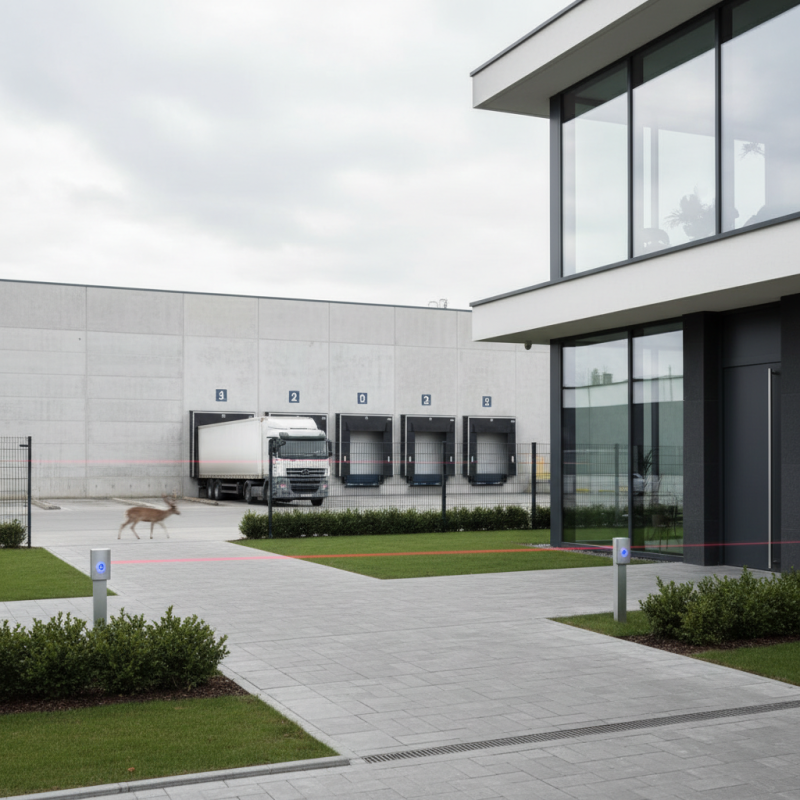
However, reliance on technology can have flaws. A power failure can disable a light barrier system, leaving vulnerabilities. Additionally, false alarms from wildlife or moving objects may occur, leading to desensitization. By evaluating these nuances, property owners can create a more effective security strategy. Embracing light barriers may require ongoing adjustments and considerations for effective use.
Understanding the Functionality of Light Barriers in Safety Systems
Light barriers play a crucial role in modern safety systems. These devices use beams of light to detect movement, creating invisible safety zones. When an object or person interrupts the light beam, the system triggers an alert. This mechanism helps protect premises, both at home and in commercial settings.
Understanding how light barriers function is essential for effective safety implementation. They can be placed at entrances, near dangerous machinery, or around valuable assets. This positioning helps establish a proactive approach to security. The responsiveness of these systems is notable, yet they are not foolproof. Users might find that environmental factors like shadows or debris can affect their performance. Regular maintenance and adjustments are necessary for reliability.
Deploying light barriers requires careful consideration of placement and sensitivity settings. It is crucial to assess potential blind spots or interference sources. While these devices can enhance safety, reliance solely on them can lead to complacency. Supplementing light barriers with other security measures is often recommended for a comprehensive safety strategy. Being aware of these factors can help ensure that safety systems work effectively.
How to Use a Light Barrier for Your Home or Business Safety? - Understanding the Functionality of Light Barriers in Safety Systems
| Feature |
Description |
Applicable Settings |
Safety Benefits |
| Motion Detection |
Uses infrared sensors to detect movement. |
Homes, offices, warehouses. |
Alerts to unauthorized access. |
| Tamper Resistance |
Designed to resist tampering and vandalism. |
Commercial properties, public spaces. |
Enhances overall security. |
| Customizable Range |
Adjustable distance settings for detection. |
Residential, industrial zones. |
Can be tailored for specific environments. |
| Notification System |
Sends alerts via email or SMS. |
Home automation systems, businesses. |
Immediate alerts reduce response time. |
| Weather Resistant |
Built to withstand various weather conditions. |
Outdoor installations, factories. |
Reliable performance in all climates. |
Identifying the Right Type of Light Barrier for Your Needs
When choosing a light barrier for safety, consider your specific needs. Different areas may require distinct solutions. For example, according to the National Institute of Standards and Technology, safety systems utilizing light barriers can reduce accident risks by up to 50%. High-traffic zones benefit from sensors designed for motion and presence detection. These barriers can help prevent accidents, especially in busy workplaces.
Light barriers vary in technology and application. Infrared barriers offer precision in detecting motion. Ultrasonic barriers use sound waves, making them suitable for noisy environments. Each type has pros and cons. Infrared barriers might struggle in direct sunlight, while ultrasonic ones may miss small objects. Evaluate existing conditions to identify which barriers suit your environment best.
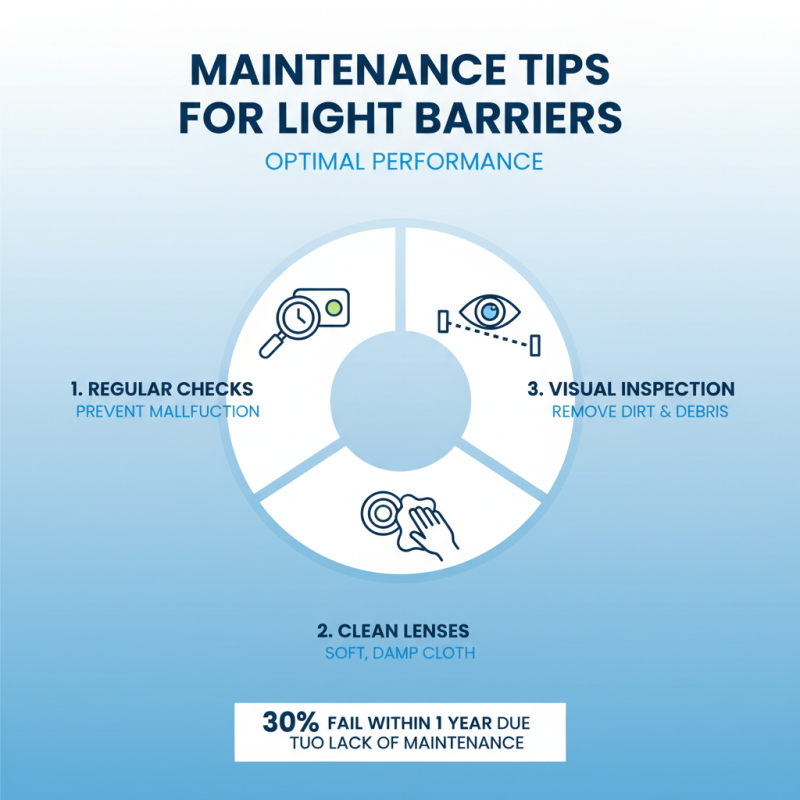
Installation also matters. A poorly aligned barrier can create safety gaps. Regular maintenance is essential for optimal performance. Studies suggest that consistent upkeep can enhance safety by 30%. Reflecting on your choice of light barriers ensures they address your unique challenges. This process is not always straightforward, and adjustments may be necessary. Each setting presents different factors that affect safety levels.
Light Barrier Types and Their Effectiveness in Safety
Installation Process of Light Barriers in Homes and Businesses
Installing a light barrier can significantly enhance safety in homes and businesses. The setup process is more straightforward than many people think. Begin by identifying key areas needing protection. Common locations include entrances, driveways, and sensitive zones. This requires careful planning. It’s essential to take measurements accurately. Evaluate the environment to minimize interference from other objects like trees or buildings.
After selecting the locations, it's time to gather materials. Most light barriers come with straightforward installation guides. However, consulting a professional may sometimes be beneficial. It ensures proper installation and optimal performance. Improper setups can lead to false alarms or failures in detection. Make sure to test the system after installation. Adjust angles and sensitivity settings accordingly.
Once installed, regularly checking the system is crucial. Dust and debris can affect performance. Make a habit of cleaning the sensors monthly. It helps maintain reliability and function. Light barriers should not only be installed but also regularly assessed. Homeowners and business owners often overlook this. Reflect on how effective your system is and seek ways to improve it. This ongoing evaluation can have a significant impact on overall safety.
Integrating Light Barriers with Existing Security Measures
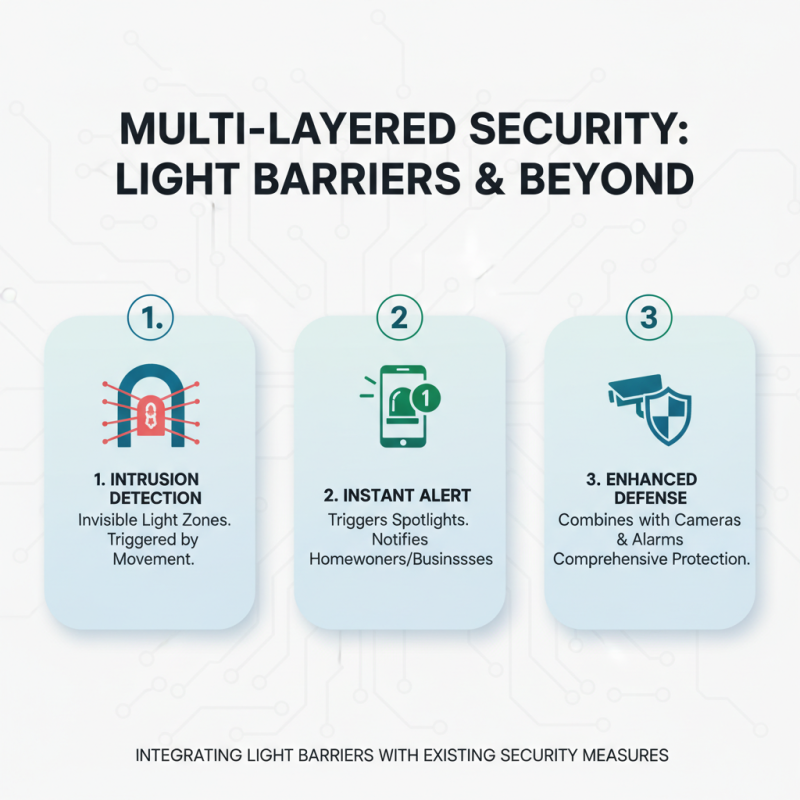
Integrating light barriers into existing security systems can significantly enhance safety in both homes and businesses. These devices create invisible zones that trigger alerts when breached. When combined with cameras or alarms, they provide a multi-layered defense mechanism. Imagine a garden protected by a light barrier; any movement triggers a spotlight and notifies the homeowners instantly.
While the benefits are clear, the implementation can pose challenges. Not every property is suited for light barriers. Landscaping, for example, can obstruct signals. Regular maintenance is essential to ensure optimal performance. Often, users overlook light sensitivity levels, which can lead to false alarms. A careful assessment of the environment is necessary.
Training personnel and family members on how to respond to alerts is vital. Ignoring this can create unnecessary panic during real emergencies. Furthermore, revisiting the system settings based on seasonal changes can help avoid annoyance. Reflecting on the integration experience can lead to continuous improvements in security efforts. Balancing convenience and safety is crucial for effective long-term use.