Top 10 Laser Curtain Sensors for Enhanced Safety Solutions?
In the realm of safety solutions, the importance of advanced technology cannot be overstated. One such innovation is the Laser Curtain Sensor. These sensors play a pivotal role in detecting intrusions and preventing accidents in various environments. They offer a reliable method for enhancing safety, ensuring both efficiency and security.
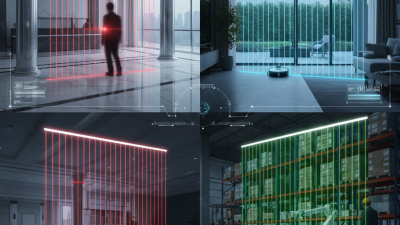
Many industries utilize Laser Curtain Sensors. From manufacturing plants to retail spaces, their applications are diverse. These sensors create an invisible barrier, detecting movement and triggering alarms or safety measures. However, selecting the right sensor can be challenging. The market is saturated with options, and not all sensors perform equally.
Laser Curtain Sensors vary in quality and effectiveness. Some may fall short of expectations, leading to safety compromises. Thus, it is crucial to consider factors like precision, response time, and durability when choosing a sensor. By understanding the strengths and weaknesses of each option, businesses can make informed decisions. This knowledge will guide them towards safer environments.
Introduction to Laser Curtain Sensors and Their Importance in Safety
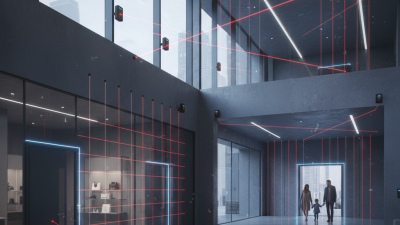
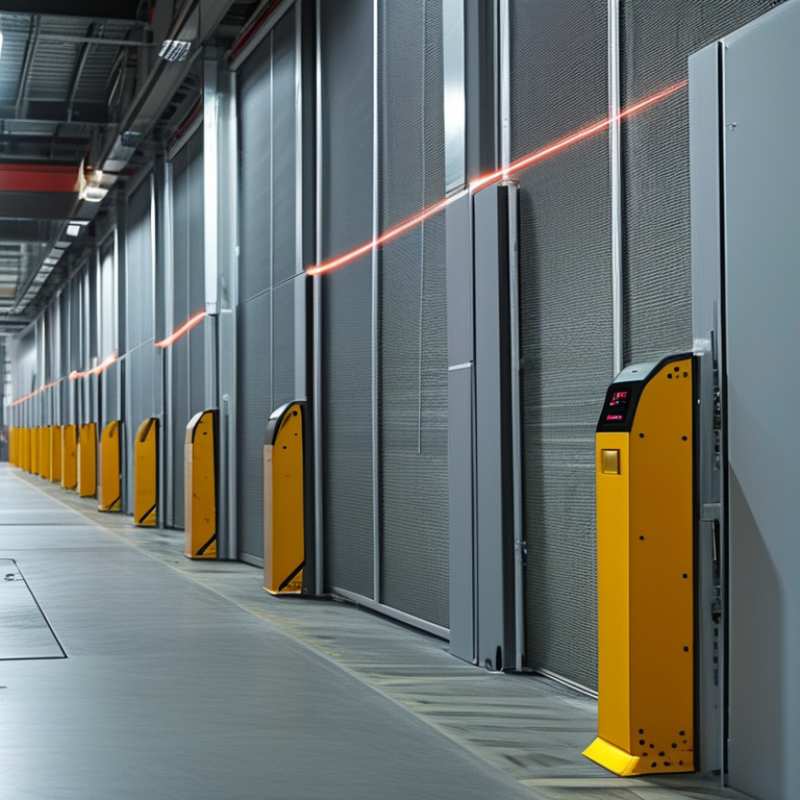
Laser curtain sensors are essential tools in modern safety solutions. They create invisible barriers that can detect movement. When something crosses this barrier, an alert is triggered. This capability enhances security in various environments, such as industrial facilities and public spaces. Their applicability ranges from doorways to assembly lines, significantly reducing the risk of accidents or unauthorized access.
Understanding their function is crucial. These sensors use laser beams to monitor areas without physical contact. Their precision ensures that even small objects are detected. However, they are not infallible. Environmental factors like dust, rain, or obstacles can affect performance. Regular maintenance is vital to ensure they work effectively. Quality installation also matters; placement can influence their efficacy. While laser curtain sensors provide enhanced safety, reliance solely on technology can be misleading. Human oversight remains necessary for comprehensive safety solutions.
Top 10 Laser Curtain Sensors for Enhanced Safety Solutions
This chart illustrates the detection range of the top 10 laser curtain sensors, showcasing their potential effectiveness in enhancing safety solutions in various applications.
Key Features to Consider When Choosing Laser Curtain Sensors
When choosing laser curtain sensors, key features are crucial for enhanced safety. One vital aspect is detection range.
Sensors should cover the intended area completely. A wide range helps in avoiding blind spots. Consider how various materials may affect the laser path.
Some materials may absorb or deflect the laser, leading to detection failures.
Another important element is response time. Sensors must react quickly to ensure safety. A delay could mean a serious accident.
Look for models with minimal lag time. Additionally, the build quality is essential. Sensors should withstand environmental conditions.
For example, dust and moisture can impact performance. Ensuring they are rugged and reliable can prevent maintenance issues.
Integration capabilities matter too. The sensor must work seamlessly with other safety systems. Compatibility with alarms and other sensors enhances overall safety.
It's equally important to think about installation challenges. Some sensors may require more complex setups. Evaluating your space and needs can save future headaches.
Top 10 Laser Curtain Sensors for Improved Safety Solutions
Laser curtain sensors have become essential in enhancing safety solutions across various industries. These sensors work by creating an invisible barrier. When an object or person interrupts this barrier, the system is triggered, ensuring immediate action is taken to prevent accidents. Their applications range from industrial settings to public spaces.
Choosing the right laser curtain sensor requires careful consideration. Look for sensors that offer customizable settings and reliable detection capabilities. It's also crucial to assess the installation environment. Sensors need to be properly calibrated for optimal performance. High levels of dust or ambient light can interfere with detection, leading to false alarms. Investing time in installation can save time in troubleshooting later.
When evaluating laser curtain sensors, keep functionality and maintenance in mind. Regular checks are essential for long-term reliability. Over time, sensors may require recalibration or cleaning. This prevents dust accumulation from compromising their performance. Safety solutions must be balanced with ease of use. Remember, a sensor's complexity should not hinder its intended purpose.
Comparative Analysis of the Leading Laser Curtain Sensor Models
Laser curtain sensors offer innovative safety solutions for various environments. These sensors create an invisible barrier, detecting motion and enhancing protection in industrial and commercial settings. Their reliability stems from advanced technologies that ensure quick and accurate response times.
When performing a comparative analysis of leading laser curtain sensor models, several key features emerge. Detection range, response time, and environmental durability are critical factors. Some sensors excel in indoor settings, while others are designed for harsh outdoor conditions. The choice of sensor may depend on specific applications, such as warehouse safety or automated machinery protection. However, not all sensors function equally well in various scenarios.
Evaluating performance can reveal discrepancies that challenge user expectations. Some models may misinterpret motion in busy areas, leading to false alarms. Others might struggle with varying light conditions, affecting reliability. Users must consider these nuances to select a sensor that truly meets their requirements. Understanding these factors is essential for making informed decisions in enhancing safety solutions.
Future Trends in Laser Curtain Sensor Technology and Applications
The future of laser curtain sensor technology promises significant advancements in safety solutions across various industries. As automation increases, these sensors are becoming crucial in manufacturing, robotics, and security applications. According to a recent industry report, the market for laser curtain sensors is projected to grow at a compound annual growth rate (CAGR) of over 12% by 2025. This growth is driven by the rising demand for enhanced safety measures in workplaces and public spaces.
Innovative applications of laser curtain sensors are emerging. They are being integrated with artificial intelligence algorithms to enhance detection capabilities and reduce false alarms. Enhanced sensitivity and adaptability in real-time environments will be essential. However, the reliability of sensors varies under different conditions, such as lighting and dust interference. Addressing these limitations is vital for ensuring effective implementation in sensitive areas.
Collaboration between equipment manufacturers and tech developers will shape future trends. Developing sensors that are not only cost-effective but also easy to install and maintain will be key. Manufacturers will need to focus on improving the durability of these sensors in harsh environments. Challenges exist, but so do opportunities for significant improvements in workplace safety and operational efficiency.
Top 10 Laser Curtain Sensors for Enhanced Safety Solutions
| Sensor Model |
Detection Range (meters) |
Response Time (ms) |
Laser Type |
Application Area |
| Model A |
0.5 - 30 |
10 |
Infrared |
Industrial Safety |
| Model B |
1 - 20 |
15 |
Laser Class 2 |
Security Systems |
| Model C |
0.3 - 25 |
8 |
Near Infrared |
Automated Production |
| Model D |
0.5 - 40 |
12 |
Laser Class 3R |
Robotics |
| Model E |
0.2 - 15 |
20 |
Ultraviolet |
Material Handling |
| Model F |
0.8 - 22 |
11 |
Laser Class 2 |
Safety Fencing |
| Model G |
0.5 - 35 |
9 |
Infrared |
Automated Warehousing |
| Model H |
1 - 50 |
14 |
Laser Class 3B |
Construction Safety |
| Model I |
0.6 - 28 |
13 |
Near Infrared |
Pharmaceuticals |
| Model J |
0.4 - 30 |
10 |
Ultraviolet |
Food & Beverage |