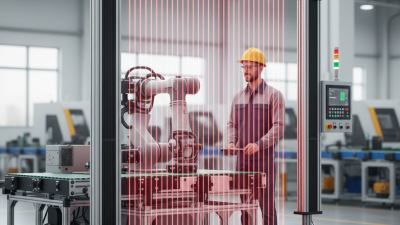
A Safety Light Curtain is a presence-sensing device used to protect people near hazardous machine movements. It creates an invisible detection field beside a press, robot cell, conveyor, or packaging line. The field may look empty, yet dozens of infrared beams cross the opening continuously. If a hand, arm, or object breaks those beams, the system sends a stop signal to the machine’s safety control circuit.
The basic arrangement is simple. One housing transmits synchronized light beams, while the opposite receiver checks each beam’s return. A safety controller evaluates the signal and removes energy from the dangerous motion when an interruption occurs. The machine should stop before a person can reach the hazard. That timing is critical. So is correct installation. A curtain mounted too close to moving tooling may provide false confidence, even when its indicator shows green.
Safety engineer Nancy Leveson describes the wider principle clearly: “Safety is an emergent property of systems.” Her observation applies directly here. A Safety Light Curtain is not a magic fence. It depends on sensing, control logic, stopping performance, guarding, testing, and disciplined operator behavior. That distinction matters.
In real workshops, dust can cover the lens, vibration can shift alignment, and a careless reset can weaken protection. These details are easy to overlook. They should not be. This article explains what a Safety Light Curtain does, how its beams detect intrusion, and how engineers verify that the complete protective function works as intended. Some applications remain complicated. A careful review is still necessary.
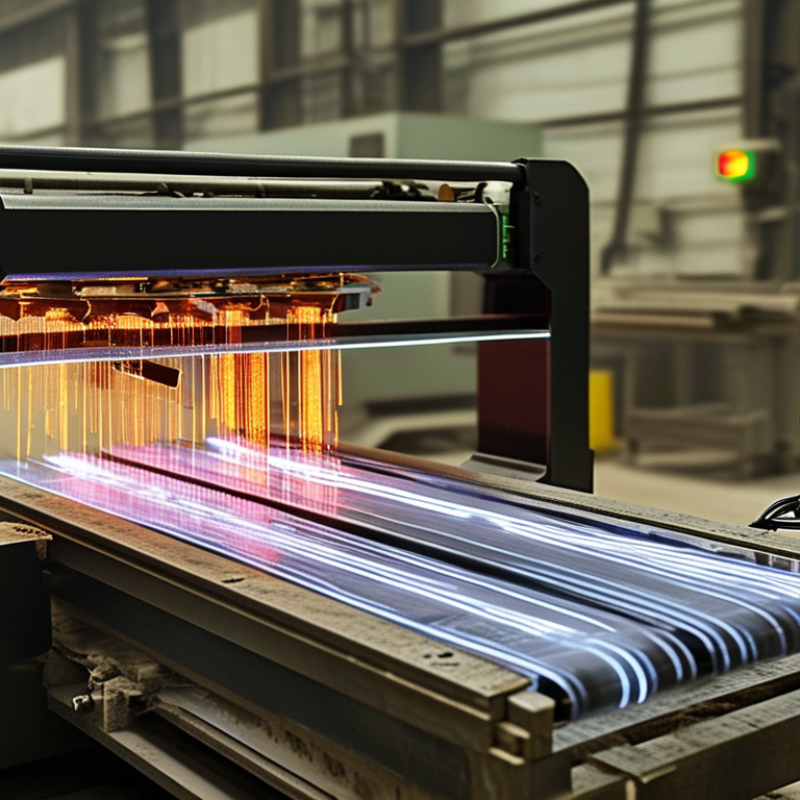
A safety light curtain is an electro-sensitive protective device for hazardous machinery. It creates an invisible wall of infrared beams between an emitter and receiver. When a hand, arm, or body interrupts the field, the control system sends a stop signal to the machine. It is not a camera. That distinction matters.
Unlike a fixed guard, a light curtain allows operators to load parts through an opening. Its protective value depends on beam spacing, response time, machine stopping time, and correct installation. ISO 13855 provides guidance for positioning safeguards according to approach speed. IEC 61496 covers essential requirements for electro-sensitive protective equipment.
The ILO estimated 2.93 million work-related deaths and 395 million nonfatal injuries worldwide in 2019. These figures show why machine safeguarding deserves careful engineering, not casual installation.
Tips: Measure the actual stopping distance. Keep the sensing area clean. Test the stop function during commissioning and scheduled inspections. Place the reset control where the operator can see the danger zone. Avoid automatic restart after beam interruption. In practice, alignment can drift, wiring can be misunderstood, and a perfect drawing may hide a poor installation. No sensor is magic. Review the risk assessment when tooling, speed, or access changes. Safety performance should be verified through documented tests, trained personnel, and suitable control-system architecture, such as the approach described in ISO 13849-1.
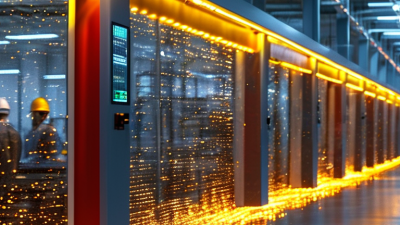
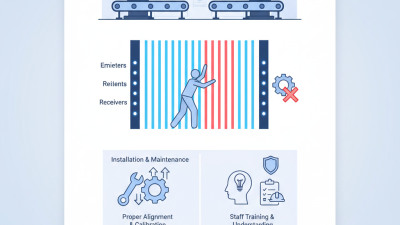
A safety light curtain uses invisible infrared beams to detect access near hazardous machinery. Its main components are an emitter, receiver, safety controller, mounting hardware, and diagnostic indicators. The emitter sends parallel beams across an opening. The receiver continuously checks whether those beams arrive correctly. When an object interrupts enough beams, the controller sends a stop signal to the machine.
Detection depends on beam spacing, resolution, scanning speed, and response time. Resolution determines the smallest object the curtain can reliably detect. A finger, hand, or full body may require different settings. The controller also monitors wiring, signal consistency, and internal faults. If an abnormal condition appears, it should move the system toward a safe state. Proper alignment matters greatly. Dust, vibration, reflective surfaces, or loose brackets can create unreliable readings.
Tips: Keep the sensing window clean and inspect alignment during routine maintenance. Test the stop function with a documented procedure, not a quick visual check. Leave enough stopping distance for the machine’s actual response time. In field work, installers sometimes focus too much on beam interruption and overlook restart controls. That is a real weakness. A light curtain is not a complete safeguard by itself; risk assessment, suitable guarding, and trained verification still matter. Even well-designed systems need periodic review because production conditions can change.
A safety light curtain detects hazards by creating an invisible barrier across a machine opening. It uses matched transmitters and receivers. The transmitter sends many infrared beams toward the receiver. Together, these beams form a detection field.
When a hand, arm, or object breaks one beam, the receiver notices the interruption almost instantly. A safety controller then sends a stop signal to the machine. The hazardous movement should stop before a person can reach the danger point. This timing depends on the machine’s stopping distance, response time, and the curtain’s installation position.
The system only works reliably when its beams cover every access route. Gaps near the floor, sides, or above the curtain can leave dangerous blind spots. Reflective surfaces may also confuse the receiver.
Regular testing should include blocking each beam and confirming the machine stops correctly. Operators should check alignment, wiring, and reset controls during inspections. A rushed check can miss a serious fault.
The light curtain cannot detect hazards behind solid objects or inside areas outside its sensing field. Proper risk assessment remains essential.
A safety light curtain is an electro-sensitive protective device that creates an invisible barrier around hazardous machinery. It uses aligned infrared beams to detect a person’s hand, arm, or body. When a beam is interrupted, the safety control system sends a stop signal through monitored outputs. The machine must then remove hazardous motion within the validated stopping time.
The response depends on the machine’s safety architecture. A properly designed circuit may use dual-channel signals, contact monitoring, and a manual reset outside the danger zone. Some systems trigger a Category 0 stop, removing power immediately. Others use a controlled Category 1 stop before isolation. ISO 13849-1 and IEC 61496 stress that performance depends on the complete system, not the curtain alone. A light curtain cannot compensate for poor risk assessment.
HSE recorded 138 worker fatalities in Great Britain during 2023/24, showing why predictable machine responses matter. The U.S. Bureau of Labor Statistics reported 5,283 fatal work injuries in 2023. These figures do not prove that light curtains would prevent every incident. They do show the cost of weak protection. In practice, engineers should verify stopping distance with a calibrated test, inspect beam alignment, and test reset behavior during realistic production conditions. A common weakness remains. Operators may expect automatic restarting, while the design requires a deliberate reset. That mismatch deserves correction before production begins.
A practical overview of light-curtain operating principles, protective functions, machine responses, and key application considerations.
| Safety Function | How It Works | Typical Detection or Input | Machine Control Response | Reset or Restart Requirement | Primary Application Consideration |
|---|---|---|---|---|---|
| Presence Detection | An emitter sends multiple infrared beams toward a receiver. An object entering the protected field interrupts one or more beams. | Interruption of any beam within the configured sensing area. | Stop or inhibit hazardous motion through a safety-rated control circuit. | Usually requires a manual reset after the field is clear, depending on the risk assessment and control design. | Protects access points, openings, and operator loading areas without requiring a physical guard. |
| Point-of-Operation Guarding | The curtain monitors the space near a tool, die, press, or other hazardous operating zone. | Hand or body intrusion into the defined protective resolution area. | The machine control system removes or prevents the hazardous cycle. | A controlled restart is required; automatic restart is generally unsuitable where a person could remain in the danger zone. | Resolution and mounting distance must account for the body part being protected and machine stopping time. |
| Access Protection | The light curtain creates an invisible barrier across an entrance or perimeter opening. | Beam interruption caused by a person entering or passing through the opening. | Stop command or cycle prevention is sent to the safety control system. | Manual reset is normally positioned outside the hazard zone with a clear view of the protected area. | Where a person can walk completely through the curtain, additional measures may be needed to prevent unnoticed presence. |
| Presence Sensing Device Initiation | The system uses a defined beam-interruption sequence to initiate or permit a machine cycle. | A valid entry or exit pattern, often based on selected beams and timing. | Allows a cycle only when the programmed safety conditions are satisfied. | Cycle logic and reset behavior must be validated as part of the safety function. | Not appropriate as a simple substitute for safeguarding unless the complete risk assessment supports the design. |
| Muting | Temporary, controlled suspension of the protective detection function allows approved material to pass through. | Signals from correctly arranged muting sensors, with timing and sequence monitoring. | Material transfer continues while the safety function is temporarily muted; unauthorized entry still causes a stop. | Muting must end automatically when the permitted material has passed or when a fault condition occurs. | Muting sensors, direction, timing, and physical layout must prevent a person from exploiting the muted condition. |
| Blanking | Selected beams are intentionally ignored to accommodate a fixed or moving machine feature. | Expected obstruction within a defined blanked region, while the remaining protective field stays active. | Stops the machine if the obstruction exceeds the permitted blanking arrangement or affects unblanked beams. | Configuration changes should require controlled access and verification before operation. | Blanking can reduce effective protection; the remaining opening and resolution must be evaluated carefully. |
| Self-Test and Fault Monitoring | The emitter, receiver, wiring, and safety outputs are monitored for internal or external faults. | Loss of synchronization, output disagreement, wiring fault, or abnormal beam condition. | Transition to a safe state, typically by opening safety outputs or preventing restart. | Fault correction and a deliberate reset may be required before the machine can run again. | Diagnostic coverage depends on the complete safety system, including the controller and final switching devices. |
| Cascade or Series Integration | Multiple sensing sections are logically combined so that a single safety function supervises connected hazardous areas. | Interruption or fault in any connected protective section. | The machine receives a common stop or inhibit command from the integrated safety circuit. | Reset strategy should ensure that all monitored sections are clear and functional. | System response time and the effect of each connected section must be included in the safety calculation. |
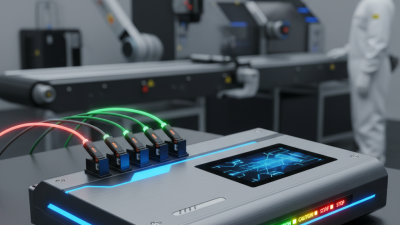
| Safety Output Switching | Redundant, monitored safety outputs communicate the light curtain status to a safety relay, safety controller, or equivalent system. | Safe or unsafe status from the curtain, including diagnostic information where available. | Removes energy, disables motion, prevents a start, or triggers a defined safe stop category. | Restart depends on the machine safety circuit and may include external device monitoring. | The light curtain alone does not guarantee a safe stop; the complete control chain must be safety-rated and validated. |
| Stopping-Distance Protection | The curtain is installed far enough from the hazard for the machine to stop before a person can reach the danger point. | Beam interruption combined with the measured machine response time. | Initiates a stop as soon as the protective field is interrupted. | Restart is permitted only after the hazard has stopped and the required reset conditions are met. | Mounting distance must consider approach speed, total system stopping time, resolution, and applicable safety requirements. |
Important: A safety light curtain is one part of a complete safeguarding system. The final design should be based on a documented risk assessment, measured stopping performance, suitable safety control components, correct installation, and validation under the applicable machinery safety requirements.
A safety light curtain is an optoelectronic device that creates an invisible protective barrier around hazardous machinery. It uses paired transmitters and receivers to send infrared beams across an access point. When a person or object breaks the beam, the control system signals the machine to stop. Correct installation is essential. Mount the curtain at the identified danger zone, not merely beside the machine. Align the receiver carefully, secure both units against vibration, and connect them to a suitable safety control circuit. A qualified technician should verify stopping distance and response time before operation.
Tips: Measure the machine’s stopping time first. Keep the sensing field clear of reflective surfaces, dust, and unrelated moving objects. Test the emergency stop function during commissioning. A rushed setup may look correct and still leave a dangerous gap.
Light curtains suit presses, cutting equipment, robotic cells, packaging lines, and automated production areas. They are useful where frequent access makes physical guards inconvenient.
However, they should not replace risk assessment, guarding, or proper operator training. Select the sensing resolution according to the smallest body part that must be detected. Consider reach-over, reach-through, and side-access risks. These details are often missed.
Maintenance requires scheduled inspection and documented testing. Clean the optical windows with a soft, lint-free cloth. Check mounting hardware, cables, alignment, and indicator signals. Operators should report intermittent stoppages instead of bypassing them. Review the system after tooling changes or process modifications. Real workplaces change over time. A light curtain that was suitable last year may need reassessment today.