What is a Safety Light Curtain and How Does It Work?
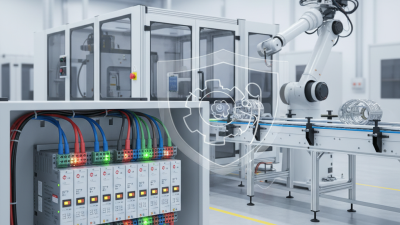
Safety Light Curtains are crucial in modern manufacturing. They provide a safeguard for workers near machinery. These devices use light beams to create a protective zone. If an object interrupts the beams, the machine stops immediately. This technology enhances safety but also requires careful installation and maintenance.
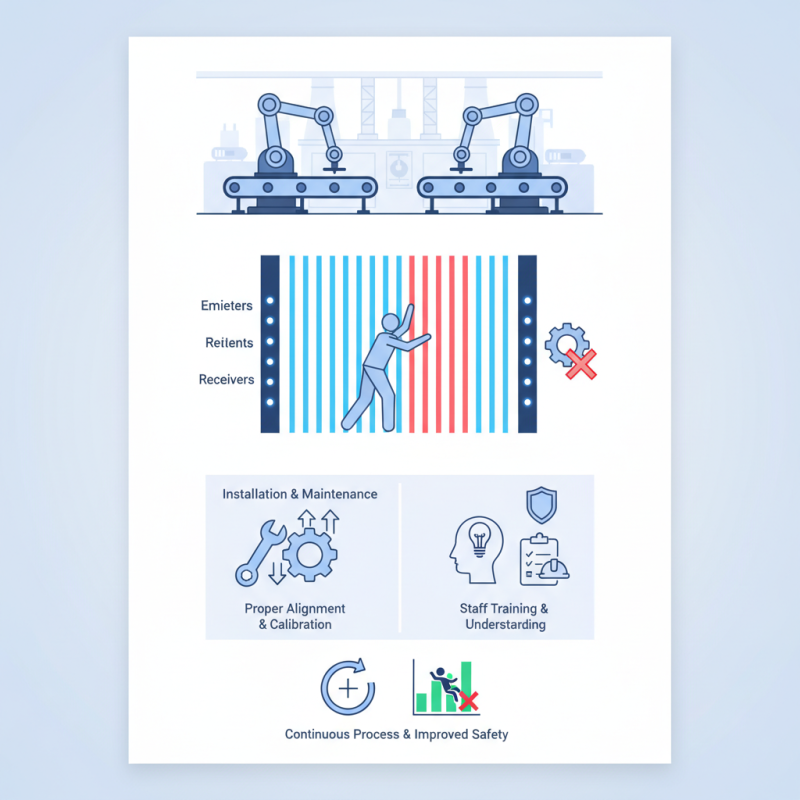
Understanding how Safety Light Curtains operate is essential. They rely on emitter and receiver units to detect objects. Proper alignment and calibration are key to their effectiveness. Any misalignment can lead to false triggers or missed detections. Hence, regular checks and adjustments are necessary.
While Safety Light Curtains significantly reduce workplace accidents, they are not foolproof. Training staff on the correct use is vital. Employees must recognize their limitations and understand the setup. An inadequate grasp of the system can lead to mistakes. Emphasizing the importance of these measures builds a safer environment. Safety is always a continuous process.
What is a Safety Light Curtain?
A safety light curtain is a vital component in industrial safety systems. It uses a series of light beams to create a protective perimeter around dangerous areas. These beams are often infrared and can detect the presence of objects, including human bodies. When an object disrupts the light beams, the system triggers a response, usually stopping machine operation. This technology is crucial in preventing accidents in automated environments.
Implementing safety light curtains may seem straightforward, but there are common pitfalls. Many facilities fail to ensure that the curtains are correctly aligned. Misalignment leads to false triggers or even failure to stop machinery in time. Regular checks and adjustments are essential.
Tips: Always conduct routine maintenance checks on safety light curtains. Ensure that the installation complies with safety standards. Training operators about the system's functionality can significantly enhance workplace safety. Understanding the limitations of technology is essential. No system is infallible, and human oversight is still necessary to protect workers.
Safety Light Curtain Usage in Different Industries
The Importance of Safety Light Curtains in Industrial Settings
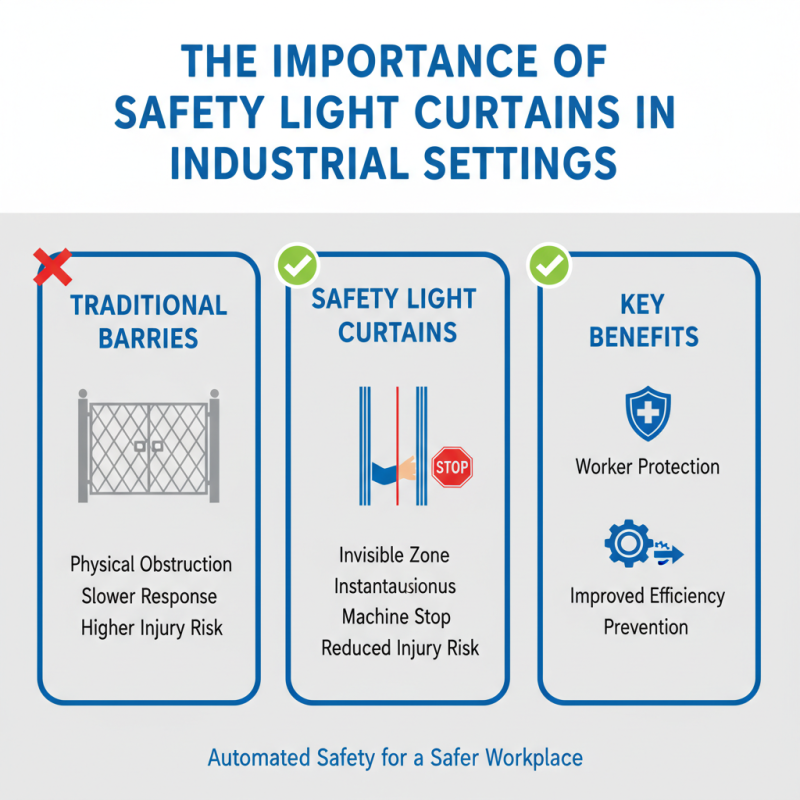
Safety light curtains play a vital role in protecting workers in industrial environments. Unlike traditional safety barriers, these devices create an invisible zone. When an object or person interrupts the light beam, the machinery automatically stops. This immediate response minimizes the risk of injury, especially in areas involving heavy machinery.
In industrial settings, the importance of these systems cannot be overstated. They are not just about compliance; they reflect a commitment to worker safety. However, improper use or maintenance can render them ineffective. Regular checks are essential to ensure functionality. Each factory should evaluate their specific needs and adapt safety measures accordingly.
Accidents can occur even with safety measures in place. Workers sometimes bypass these systems, risking their safety. Training is essential to reinforce the importance of adhering to safety protocols. Safety light curtains are effective tools but require diligence and care. It’s crucial to remember that technology alone cannot ensure safety; human habits and practices play a significant role.
How Safety Light Curtains Function: The Technology Behind the System
Safety light curtains are essential in industrial environments. They serve as a crucial safety system, protecting workers by preventing accidents. These systems employ infrared light beams, creating a barrier that detects the presence of people or objects. When the beams are interrupted, the machinery stops immediately, reducing the risk of injury.
The technology behind safety light curtains is both simple and effective. Each curtain consists of a series of transmitter and receiver pairs. These components emit light beams across the workspace. If any beam is blocked, the system recognizes the interruption. This mechanism can be linked to machinery controls, ensuring immediate action. It’s worth noting that the positioning and alignment are critical for optimal performance. Misalignment can lead to false signals, compromising safety.
Understanding the limitations of safety light curtains is important. They may not detect very small objects or those with low visibility. Regular maintenance is required to ensure they function correctly. Although reliable, the systems are not foolproof. Users must assess risks continuously and consider additional safety measures.
Applications of Safety Light Curtains in Machinery and Automation
Safety light curtains play a crucial role in machinery and automation. These devices act as protective barriers around hazardous areas. They use infrared light beams to detect the presence of objects or people. When an object interrupts the light beam, the system triggers a safety response. This prevents accidents and injuries in work environments.
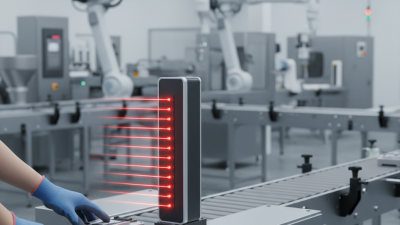
In industrial settings, safety light curtains are widely used. They protect workers near robotic arms and conveyor belts. When a worker approaches a dangerous zone, the light curtain activates an immediate halt. This quick response can save lives. Additionally, light curtains can be adjusted for different heights. This feature allows them to protect areas with various machinery configurations.
However, there are challenges with safety light curtains. Misalignment or dirt can cause false triggers. Regular maintenance is essential for proper functioning. Moreover, training staff on their use is often overlooked. A lack of knowledge can lead to misuse. This highlights the need for ongoing education in workplace safety. Proper implementation and awareness ensure that safety light curtains remain effective.
Benefits of Implementing Safety Light Curtains in Work Environments
Safety light curtains serve as vital protective measures in various work environments. These devices create an invisible barrier of light beams that detects the presence of people or objects. When something interrupts the beams, the safety system triggers an immediate stop of machinery. This response minimizes the risk of accidents and injuries, ensuring employee safety.
Implementing safety light curtains offers multiple benefits. They can enhance productivity by keeping operations running smoothly. Workers feel safer and more secure, facilitating a positive work atmosphere. However, these systems require careful installation and calibration. Misalignment could lead to unnecessary machine stops. It is crucial to periodically evaluate the effectiveness of the light curtain in the workplace.
Training employees on how to work alongside safety light curtains is essential. They should understand the technology and its limitations. Despite these advancements, human errors can still occur. Over-reliance on technology without proper training can lead to gaps in safety. A balance between automation and human awareness is vital for maximizing safety.