Leave Your Message

Top 10 Photoelectric Light Curtain Benefits for Industrial Safety and Efficiency?

In the fast-paced world of industrial operations, safety and efficiency are paramount. The implementation of a Photoelectric Light Curtain can significantly enhance both. Dr. John Miller, a leading expert in industrial safety, once stated, "Photoelectric Light Curtains are essential for creating a safer work environment." His insight reflects the growing recognition of these devices.

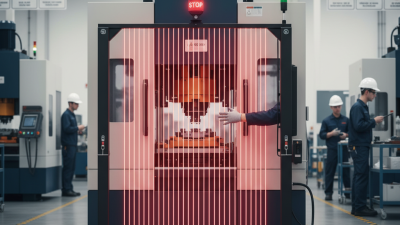
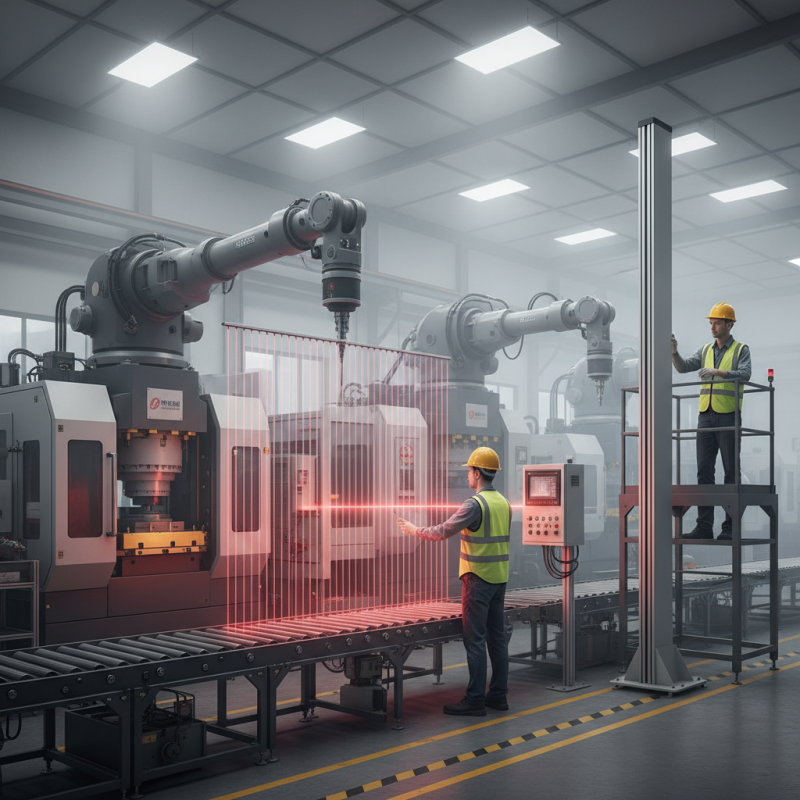
Photoelectric Light Curtains act as invisible shields, detecting personnel and halting machinery if someone enters a danger zone. This technology not only protects workers but also minimizes equipment downtime. By preventing accidents, companies can save on costs and boost productivity. However, poorly calibrated systems may lead to false triggers or, worse, failures to detect.

While the benefits are substantial, the integration of Photoelectric Light Curtains requires careful planning. Organizations must assess their unique needs and ensure proper installation. Investments in training and maintenance are crucial. With a clear understanding of these challenges, companies can maximize the potential of this technology while addressing its limitations.
Top 10 Photoelectric Light Curtain Benefits for Industrial Safety and Efficiency?

Understanding Photoelectric Light Curtains in Industrial Settings

Photoelectric light curtains are vital in modern industrial environments. They enhance safety by creating an invisible barrier that detects objects and individuals. When a person or object interrupts the light beams, the system responds immediately. This swift reaction can prevent accidents and injuries. According to the National Institute for Occupational Safety and Health (NIOSH), improper safety measures account for over 400,000 workplace injuries annually in the U.S.

These light curtains are not just about safety; they also boost efficiency. For example, they allow for seamless operations without constant manual intervention. A study from the Occupational Safety and Health Administration (OSHA) indicates that automated safety features can reduce downtime by 20%. However, not all installations ensure optimal performance. Misalignment or dirt on sensors can lead to failures, undermining the entire system's effectiveness. Regular maintenance and training are crucial to maximize their benefits.

Moreover, operational costs can fluctuate with these systems. Many industries invest significantly in safety equipment but fail to ensure they are utilizing it properly. Investing in better training for employees on light curtain operation can yield better safety outcomes. Data shows that nearly 30% of safety system accidents stem from user error. This highlights the need for continuous improvement and vigilance in maintaining these crucial safety devices.

Enhancing Worker Safety through Photoelectric Light Curtain Technology

Top 10 Photoelectric Light Curtain Benefits for Industrial Safety and Efficiency?

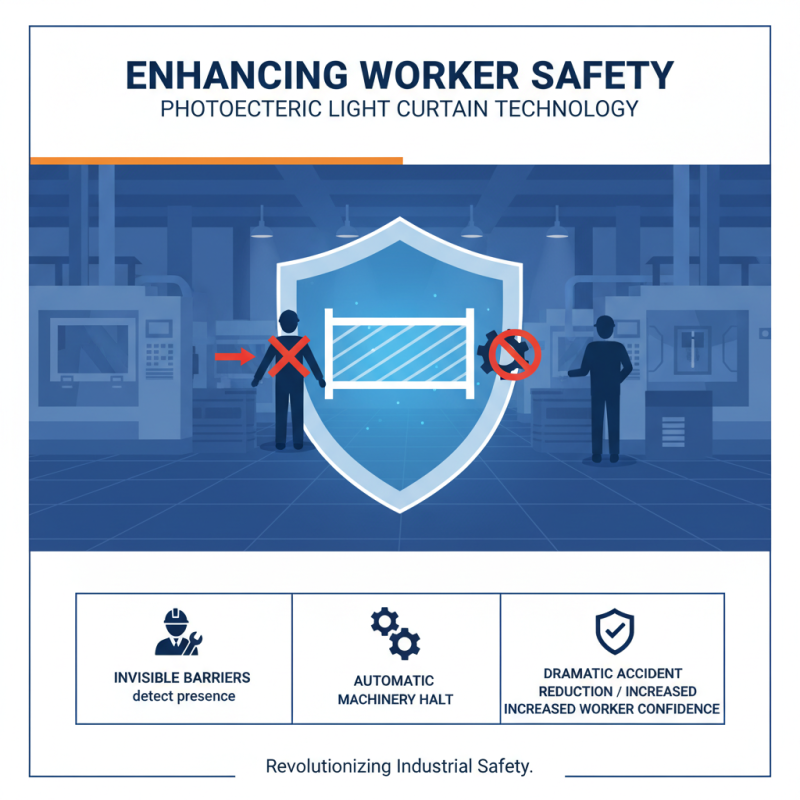
Photoelectric light curtains are revolutionizing industrial safety. They create invisible barriers that can detect the presence of workers. When someone enters this space, the machinery automatically halts. This immediate response dramatically reduces accidents. Workers feel safer knowing these devices protect them.

Implementing these systems can be challenging. Industrial plants need to ensure proper placement and calibration. If installed incorrectly, they may not function effectively. Regular maintenance is equally important. Dust or damage can disrupt their performance, leading to safety risks. It’s crucial to periodically assess their condition.

Technology is powerful, but human behavior is unpredictable. Workers must be trained to respect these safety systems. They should understand their purpose and limitations. Rushing or bypassing the barriers can lead to injuries. A culture of safety needs to be fostered alongside technology. As we embrace innovation, we must continually reflect on our practices and prioritize worker well-being.

Boosting Operational Efficiency with Photoelectric Light Curtains

Photoelectric light curtains are essential for enhancing safety in industrial settings. These devices create an invisible light barrier that detects objects or personnel, ensuring machines stop when someone enters the danger zone. This proactive approach reduces the risk of accidents, making workplaces safer.

Implementing photoelectric light curtains can significantly boost operational efficiency. They help streamline production processes by minimizing downtime during maintenance. When a machine stops only momentarily, the workflow remains consistent. However, it's crucial to monitor their effectiveness regularly. Misalignment or dirt on the sensors can result in false readings, potentially leading to dangerous situations.

In addition to improving safety, these systems enhance productivity. Workers feel more secure and are less likely to rush tasks. Yet, one must remember that while technology aids safety, it is not infallible. Regular training and awareness programs are vital to ensure employees understand the functioning of the system. Without proper usage, even the best technology cannot prevent accidents.

Top 10 Photoelectric Light Curtain Benefits for Industrial Safety and Efficiency

Cost Savings and Maintenance Benefits of Light Curtain Systems

When it comes to industrial safety, light curtains offer significant cost-saving benefits. They provide a non-contact method to safeguard workers and machinery. This minimizes wear and tear on physical barriers. Regular maintenance is straightforward, which translates to lower operational costs over time. Companies generally see a reduction in expenses related to workplace injuries too.

Another vital aspect is system longevity. Light curtains can last a long time with minimal maintenance. Regular dusting and checking alignment are often the only tasks needed. In contrast, physical barriers and guards may require frequent repairs or replacements. This reliability can be reflected in the overall productivity of a facility.

**Tip:** Always train staff on proper light curtain use for maximum benefit. Misalignment and obstruction can reduce effectiveness. Regularly audit your safety systems to ensure optimal performance. Maintain clear communication channels for reporting issues.

Regulatory Compliance and Risk Mitigation with Light Curtains

In industrial settings, regulatory compliance is crucial. Photoelectric light curtains play a significant role in achieving this compliance. According to a report from the National Institute for Occupational Safety and Health (NIOSH), around 2.8 million non-fatal workplace injuries occur annually. Light curtains can help mitigate these risks effectively. They provide a safety barrier that prevents unauthorized access to hazardous areas.

Risk mitigation is enhanced by integrating light curtains into production lines. When an object interrupts the light beam, the system automatically halts machinery. This immediate response is vital for protecting workers. In fact, businesses that implement light curtains report a 30% reduction in safety incidents. The initial investment in these systems can yield substantial cost savings in the long run.

**Tip:** Regularly check the alignment and sensitivity of the light curtains. Misalignment can lead to safety risks. Always involve employees in training. They need to understand how to work safely around these systems. Inadequate training can lead to misuse, increasing risks. Moments of oversight can have severe consequences. Each detail matters in maintaining a safe workplace.

Top 10 Photoelectric Light Curtain Benefits for Industrial Safety and Efficiency

Benefit Description Impact on Safety Impact on Efficiency
Enhanced Safety Provides a non-contact safety solution by detecting hazards and preventing accidents. Reduces risk of injury to workers. Improves overall safety metrics, leading to fewer disruptions.
Regulatory Compliance Helps meet safety regulations and standards in the workplace. Minimizes legal liabilities. Facilitates smoother operations without compliance issues.
Risk Mitigation Identifies potential hazards before they result in accidents. Decreases the likelihood of workplace incidents. Enhances productivity by reducing downtimes.
Increased Visibility Improves awareness of safety zones through visible detection fields. Promotes safer working environments. Optimizes workflow by clearly defining safe areas.
Versatility Can be used in various industrial applications for different equipment. Enhances safety across multiple operational areas. Increases efficiency in different setups.
Lower Maintenance Costs Solid-state devices require less frequent maintenance compared to mechanical alternatives. Less downtime due to maintenance issues. Sustains operational efficiency with minimal interruptions.
Customizable Solutions Adaptable systems can be tailored to specific safety requirements of different tasks. More effective protection aligned with operational hazards. Aligns resources with operational needs, improving throughput.
Quick Response Times Immediate detection of obstructions enhances reaction times for machinery. Increased protection for workers. Minimizes operational halts and improves production rates.
Improved Training Simplifies safety training through clear visual indicators of safety zones. Facilitates understanding of workplace safety. Enhances learning outcomes for operational staff.
Cost-Effectiveness Reduces overall accident costs and associated liabilities. Lowers expenses related to workplace injuries. Increases profit margins through efficient operations.