Understanding the Importance of Safety Light Curtain Controllers in Modern Manufacturing
In an era where automation and efficiency drive modern manufacturing, the integration of advanced safety measures has become indispensable.
Safety Light Curtain Controllers play a crucial role in protecting workers and machinery from potential hazards on the production floor.
According to a report by the National Safety Council, nearly 3 million nonfatal workplace injuries occur each year, underscoring the need for effective safety solutions.
The Safety Light Curtain Controller acts as a vital barrier, ensuring that any breach in its protected area promptly triggers a response, thereby preventing accidents.
Furthermore, with the global industrial safety market projected to reach $10 billion by 2025, emphasizing the adoption of safety technologies like light curtain systems is essential.
This article delves into the significance of Safety Light Curtain Controllers in enhancing workplace safety, driving operational productivity, and complying with regulatory standards.
How Safety Light Curtain Controllers Enhance Workplace Safety
In modern manufacturing, the significance of safety light curtain controllers cannot be overstated. As the global safety light curtain market is projected to increase from USD 1.3 billion in 2025 to USD 1.7 billion by 2030, with a compound annual growth rate (CAGR) of 6.3%, it’s clear that industry leaders are recognizing the value of enhanced workplace safety. These controllers act as an essential barrier, preventing access to hazardous areas while allowing for uninterrupted workflow, thus minimizing the risk of accidents and injuries in high-speed environments.
Tips for enhancing safety with light curtain controllers include regularly inspecting and maintaining the devices to ensure proper functionality and compliance with safety standards. Additionally, training employees on the correct use and significance of these safety systems can foster a culture of safety and awareness. As the functional safety market is projected to exceed $7,896.7 million by 2029, it indicates a growing demand for comprehensive safety solutions across industries aimed at risk mitigation.
Implementing safety light curtain controllers not only mitigates risks but also aligns with the trend of integrating advanced technologies, such as robotics, into manufacturing processes. By prioritizing safety and efficiency, manufacturers can enhance operational productivity while creating a safer working environment for all employees.
Key Features to Look for in Safety Light Curtain Controllers
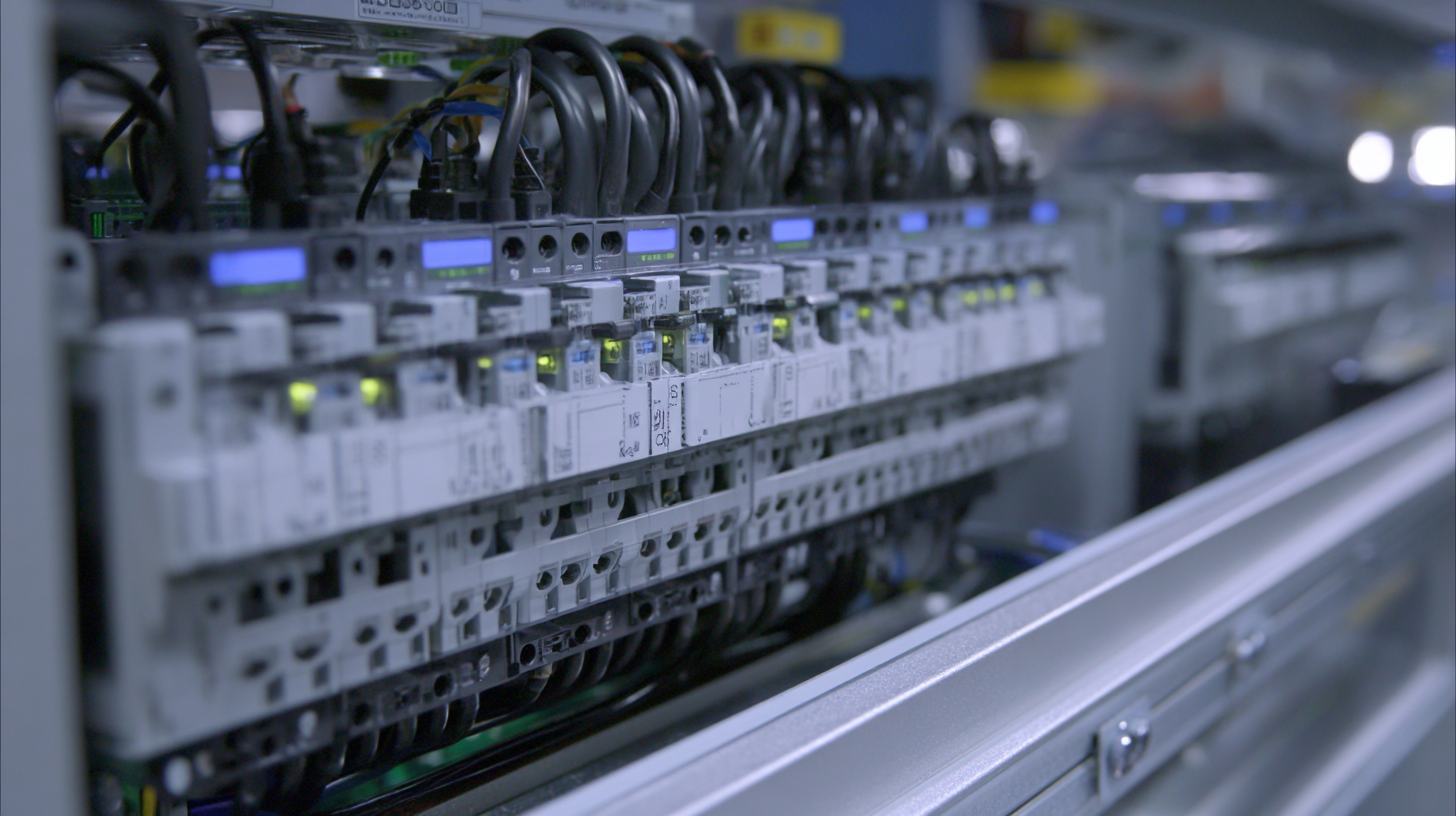
In modern manufacturing, safety light curtain controllers play a crucial role in protecting workers from hazardous machinery while enhancing overall productivity. When selecting safety light curtain controllers, it is essential to consider key features that ensure effective operation. Look for controllers with muting capabilities, which allow equipment to operate without compromising safety. This feature enables safe movement of objects without interrupting the safety barrier, thus maximizing efficiency.
Additionally, prioritize controllers that offer robust safety standards and certifications. These standards indicate a reliable performance, especially in high-risk environments. Another critical aspect is the ease of installation and integration with existing safety systems. Controllers should be user-friendly, allowing for straightforward setup and minimal disruption to ongoing operations.
Tips: Always check for compatibility with your current safety devices to ensure seamless integration. Regularly test the safety light curtain systems to maintain optimal functionality and compliance with safety regulations. Consider the scalability of the controllers to accommodate future expansion or changes in manufacturing processes.
Steps to Integrate Safety Light Curtain Controllers into Production Lines
Integrating safety light curtain controllers into production lines is crucial for enhancing workplace safety in modern manufacturing environments. These devices act as a protective barrier that detects the presence of personnel near hazardous machinery, automatically shutting down operations to prevent accidents. As manufacturing processes become increasingly automated, the implementation of such safety measures not only ensures compliance with regulatory standards but also fosters a culture of safety among workers.
To effectively integrate safety light curtain controllers, manufacturers should follow a structured approach. First, conducting a thorough risk assessment of the production line is essential to identify specific areas where safety light curtains can be deployed. Following this, selecting the appropriate type of light curtain based on the machine’s operational characteristics and safety requirements is critical. Next, proper installation and routine maintenance must be performed to ensure that the light curtain systems operate reliably. Finally, training employees on the functionality and importance of these systems can enhance overall safety awareness and promote a proactive stance towards workplace safety.
Best Practices for Maintaining and Testing Safety Light Curtain Systems
In modern manufacturing, the role of safety light curtain controllers is crucial for ensuring workplace safety, particularly in preventing accidents around hazardous machinery. Regular maintenance and testing of these safety systems are essential to uphold their reliability and effectiveness. Industry standards, such as those from OSHA and ISO, emphasize that light curtains must be evaluated and maintained regularly. For example, improper alignment or debris on sensors can lead to failures, posing significant risks to operators.
Tips for Maintenance:
- Routinely check the alignment of the light curtain to ensure it’s within the specified range.
- Perform regular cleaning of the sensors to prevent obstructions that could cause malfunction.
- Conduct scheduled functional tests, ideally on a monthly basis, to validate system operability.
Emerging trends in interconnected systems and automation highlight the importance of integrating
advanced technologies with safety features in manufacturing. As manufacturers adopt smart technologies, the ability to seamlessly monitor and adjust safety systems in real time is becoming essential. This shift can lead to improved compliance with safety regulations and enhanced response times during operational anomalies, ultimately fostering a
safer working environment.
Understanding Compliance Standards for Safety Light Curtain Controllers
Safety light curtain controllers play a crucial role in modern manufacturing, ensuring compliance with industry safety standards that are increasingly stringent. As the global safety light curtain market is expected to grow from USD 1.3 billion in 2025 to USD 1.7 billion by 2030, with a compound annual growth rate (CAGR) of 6.3%, manufacturers are recognizing the importance of adhering to compliance standards to mitigate risks. These standards are essential not only for workforce safety but also for maintaining operational efficiency and minimizing costly downtime.
The functional safety market, projected to exceed $7,896.7 million by 2029, reflects a rising demand for risk mitigation strategies within industrial settings. Stricter safety regulations and the integration of smart automation technologies are key drivers of this growth. Recent innovations, such as the new muting modules designed to enhance safety without compromising productivity, underscore the ongoing advancements in safety technologies. These developments highlight the importance of investing in safety light curtain controllers that meet established compliance standards, paving the way for a safer and more efficient manufacturing environment.