Top 10 Factors Influencing Cost Of Grating in China?
The cost of grating in China is influenced by various factors that can significantly impact overall expenses. Understanding these factors is crucial for manufacturers and buyers alike. The complexity of pricing can stem from material choice, production methods, and market demand. Quality specifications and safety standards also play a vital role in determining the cost of grating.
While it may seem straightforward, the pricing system is often nuanced. Supply chain dynamics, including transportation costs, can unexpectedly increase expenses. Labor costs in different regions may vary significantly, affecting the final price. Additionally, fluctuations in raw material costs, like steel and aluminum, can create unpredictability. Engaging with industry experts can provide insights into these challenges, yet it’s essential to remain cautious.
Recognizing these elements is crucial for informed decision-making. The cost of grating is not only about numbers; it reflects broader economic trends. By identifying key influencers, businesses can better navigate this complex landscape. In this guide, we will explore the top ten factors affecting the cost of grating in China, offering a comprehensive overview for stakeholders.

Overview of Grating Types Commonly Used in China
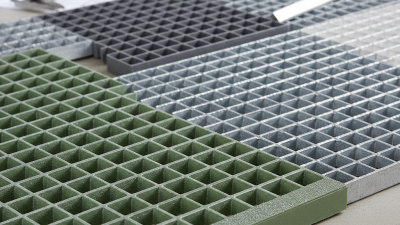
In China, grating materials are crucial in various industries, particularly in construction and manufacturing. Common types of grating include steel, fiberglass, and aluminum. Steel grating is popular for its strength and reliability. It is widely used in industrial settings where heavy loads are common. On the other hand, fiberglass grating is known for its corrosion resistance and lightweight nature. This makes it ideal for environments where traditional grating would deteriorate quickly.
Aluminum grating offers a good balance of durability and weight. It is often used in architectural applications where aesthetics matter. Each type of grating comes with its own set of benefits and limitations. For instance, while steel grating is robust, it can be susceptible to rust without proper treatment. Homeowners and builders must weigh these factors carefully to choose the most suitable option for their projects. An informed decision can significantly impact cost and longevity.
It's essential to understand that the selection of grating should also align with specific industry standards and environmental conditions. Overlooking these factors can lead to increased maintenance costs. Understanding the characteristics of each grating type is vital for optimizing performance and cost-effectiveness. These choices reflect not just preferences but also the demands of safety and functionality in real-world applications.
Top 10 Factors Influencing Cost Of Grating in China
| Factor |
Description |
Impact Level |
| Material Type |
Different materials like steel, aluminum, and fiberglass affect costs significantly. |
High |
| Manufacturing Processes |
The complexity of the manufacturing methods influences production costs. |
Medium |
| Supply Chain Costs |
Transportation and logistics impact total grating costs. |
High |
| Labor Costs |
The cost and availability of skilled labor directly influence prices. |
Medium |
| Market Demand |
High demand for specific types of grating can drive up costs. |
High |
| Regulatory Compliance |
Compliance with safety and quality standards can increase production costs. |
Medium |
| Customization Options |
Bespoke grating solutions are generally more expensive due to additional labor and materials. |
Medium |
| Production Volume |
Higher production volumes can reduce the cost per unit due to economies of scale. |
High |
| Competition |
The level of competition in the market can impact pricing strategies. |
Medium |
| Utility Costs |
Energy and other utility costs associated with production can affect overall pricing. |
Medium |
Material Selection and Its Impact on Grating Costs
Material selection plays a crucial role in determining the costs associated with grating in China. Various materials are available, each with its own price bracket.
For example, steel grating is cost-effective and widely used in industrial applications. However, it is subject to corrosion, which can lead to higher maintenance costs over time.
According to a report by the China Grating Association, using galvanized steel can increase initial overheads by approximately 15% but may reduce long-term maintenance expenses by 20%.
Composite materials, while generally more expensive, typically offer enhanced durability and lower maintenance needs. Data indicates these materials can reduce lifecycle costs by up to 30% compared to traditional steel options. However, the upfront investment is significant, and many companies hesitate due to budget constraints.
This reluctance can result in increased long-term expenses if a cheaper material fails prematurely.
In addition to material type, suppliers' sourcing practices also impact costs. Imported materials might increase initial purchase costs due to tariffs. Local sourcing, while potentially cheaper, often compromises variety and availability.
These complexities illustrate that choosing the right grating material requires careful consideration of both immediate costs and future implications.
Manufacturing Processes Affecting Grating Pricing
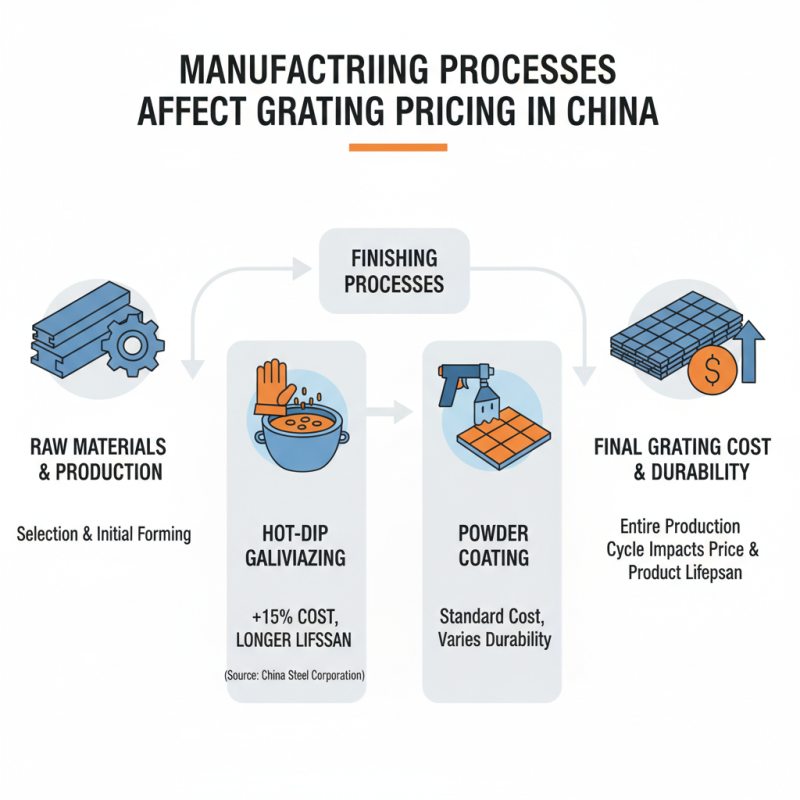
The manufacturing processes significantly impact the cost of grating in China. The entire production cycle, from raw material selection to the final finishing touches, influences pricing structures. For instance, the choice between hot-dip galvanizing and powder coating can yield different durability levels and costs. A report from the China Steel Corporation indicates that hot-dip galvanizing can raise costs by about 15% but offers a longer lifespan.
Labor efficiency also plays a crucial role. Automation in grating production can reduce the need for manual labor, thus cutting costs. However, the initial investment in equipment is substantial. According to a 2022 Industrial Report, automation can decrease production costs by up to 30% over time but requires careful calibration to maintain quality.
Material quality is another factor being scrutinized. Steel prices are volatile and significantly affect overall costs. In 2023, raw material costs increased by approximately 10% due to global market conditions. Manufacturers must strike a balance between cost and quality to remain competitive while ensuring product performance. This ongoing tension highlights the need for continuous evaluation and adaptation in response to external market forces.
Transportation and Logistics Costs in Grating Supply Chains
Transportation and logistics play a crucial role in the cost structure of grating supply chains in China. The distance from manufacturing hubs to construction sites greatly influences shipping expenses. For example, inland routes may incur higher costs due to limited infrastructure. Sea freight could be more economical for larger shipments. However, port congestion can add unexpected delays and costs.
Effective planning is essential to managing these logistics costs. Tips for improvement include consolidating shipments to maximize transport efficiency. Optimizing the delivery schedule can minimize transit time and expenses. Consider using multiple transport modes for cost-effectiveness.
Additionally, be aware of potential hidden costs. Unexpected fees can arise from customs or handling. Regularly review logistics contracts to ensure competitive terms. Transparency with suppliers regarding transportation expectations can help in strategizing transport needs. Always seek feedback from logistics providers to improve processes.
Market Demand and Economic Factors Influencing Grating Prices
The market demand for grating in China is significantly influenced by various economic factors. Urbanization drives the need for different types of grating, particularly in construction and infrastructure. As cities expand, there is a rise in construction projects. More projects lead to increased demand, which can raise prices.
Global economic trends also play a crucial role. Fluctuating steel prices, for instance, directly impact grating costs. If steel prices increase due to supply chain issues, the cost of grating tends to follow. This creates a ripple effect throughout the market. Companies must carefully assess these changes to remain competitive.
Moreover, regulatory policies can affect pricing structures. Changes in tariffs or trade agreements may increase costs for manufacturers and ultimately consumers. Lack of clarity in these regulations can create uncertainty and volatility in the market. The balance between supply and demand remains delicate. Companies often have to adapt quickly to these shifts or risk losing market share.