How to Choose the Best Photoelectric Light Curtain for Safety?
Choosing the right Photoelectric Light Curtain is crucial for ensuring safety in industrial environments. The global market for these safety devices is expected to reach $1.5 billion by 2024, according to a recent report by MarketsandMarkets. Such growth highlights the increasing awareness of workplace safety standards.
Industry expert Dr. Emily Schwartz, a leading safety technology specialist, states, "The effectiveness of a Photoelectric Light Curtain can make a difference between a safe operational process and a tragic accident." This underscores the importance of selecting the appropriate model for your specific needs.
When considering a Photoelectric Light Curtain, it is essential to evaluate various factors. These include response time, detection range, and environmental conditions. Many users overlook these details. A quick decision can lead to improper installation or inadequate protection. Such oversights can compromise safety and increase risk in the workplace.
Understanding Photoelectric Light Curtains and Their Applications
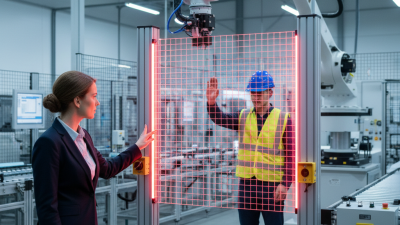
Photoelectric light curtains are essential safety devices in various industries. They use a series of beams to detect objects and prevent accidents. These systems are commonly found in manufacturing, packaging, and automation settings. Their primary function is to protect workers from machinery hazards by stopping operations when an obstruction is detected.
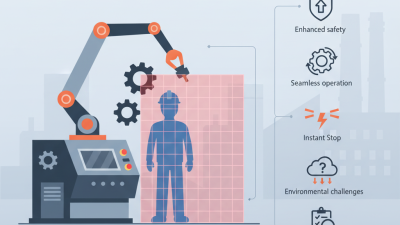
Understanding their applications is crucial. In a factory, for instance, light curtains create a safety zone around dangerous equipment. When something crosses the beam, the machine halts immediately. This helps to avoid injuries and ensure a safer working environment. However, incorrect installation or alignment can lead to ineffective safety measures. It’s important to review and adjust systems regularly, even if everything seems fine.
Industries need to choose the right type for their specific applications. Different environments require different sensitivity levels and response times. Heavy machinery might need more robust curtains, while light-duty applications could suffice with less expensive models. Evaluating safety needs and potential risks is vital for effective implementation. Substandard options may not provide adequate protection, leading to costly mistakes.
Key Features to Look for in Safety Light Curtains
When selecting a photoelectric light curtain for safety, focus on key features. One critical element is the sensing range. A longer range allows for broader coverage, reducing blind spots. Evaluate the sensing height too. It should match your operational needs for optimal performance.
Another crucial aspect is the response time. Quick response prevents accidents during critical operations. Look for a system with a response time of less than 10 milliseconds. This can make a significant difference in safety applications. Additionally, consider the environmental conditions. Ensure the light curtain can withstand dust, moisture, or extreme temperatures.
Finally, assess the ease of installation and maintenance. Complicated setups can lead to errors or assembly issues. A user-friendly design promotes efficiency in functionality. Reflect on your specific needs and operational environment as you weigh these features. The right light curtain ensures enhanced safety and reflects a commitment to workplace protection.
Evaluating the Safety Standards and Certifications
When selecting a photoelectric light curtain, understanding safety standards is crucial. Standards such as IEC 61496 provide guidelines for performance and reliability. Compliance with these can ensure effective safeguarding in industrial environments. A report from the International Electrotechnical Commission shows that more than 30% of workplace injuries are preventable with proper safeguarding measures.
Certifications play a significant role in verifying a product's safety. Look for certifications like CE, UL, or TÜV, which indicate rigorous testing and quality assurance. These certifications ensure the light curtain meets essential safety requirements. Inadequate understanding of certification implications can lead to poor choices, jeopardizing worker safety.
Evaluating performance characteristics is also essential. The response time of light curtains is vital for effective hazard detection. Studies indicate that a reaction time under 20 milliseconds significantly reduces accident risk. However, not all products perform consistently. Vigilance is needed in assessing specifications against actual product performance in the field.
Installation and Maintenance Considerations for Light Curtains
When installing a photoelectric light curtain, proper alignment is crucial. Misalignment can lead to safety gaps where hazards may occur. Ensure that the emitter and receiver are parallel. This will maximize detection reliability. Consider the mounting height as well. Position it at a level that effectively guards against intrusions without causing false alarms.
Maintenance is another critical factor. Regularly inspect the light curtain for dirt or obstructions. Accumulated dust can hinder performance and reduce safety. Cleaning the sensors with a soft cloth can improve visibility. Check for any physical damage as well. Even small cracks can compromise the system’s effectiveness.
Training staff on usage and troubleshooting is essential. They need to understand how to respond to alerts and maintenance issues. Encourage them to report any irregularities. Remember, a well-maintained light curtain is key to ensuring safety. Failing to address minor issues can lead to larger problems down the line.
How to Choose the Best Photoelectric Light Curtain for Safety? - Installation and Maintenance Considerations for Light Curtains
| Feature |
Description |
Considerations |
Maintenance Frequency |
| Detection Range |
Distance over which the light curtain can detect obstructions. |
Choose based on the application size. |
Annually |
| Response Time |
Time taken to respond after an obstruction is detected. |
Critical for high-speed operations. |
Quarterly |
| Protection Level |
IP ratings that define dust and water resistance. |
Based on environmental conditions. |
Semi-Annually |
| Alignment |
Correct positioning of the light curtain. |
Ensure no obstructions in the beam path. |
Monthly |
| Signal Output |
Type of signal (e.g., relay, digital) for integration. |
Compatibility with existing systems. |
As Needed |
Choosing the Right Supplier for Safety Light Curtains
Choosing the right supplier for safety light curtains is crucial. A good supplier should have extensive experience in the industry. Their knowledge of photoelectric technology should be robust. Look for companies with a solid reputation. Customer reviews can be enlightening. Many suppliers showcase case studies, which can provide valuable insights.
When assessing potential suppliers, consider their certification and standards. Reliable suppliers adhere to international safety standards. This gives assurance to their customers. Ask about their product testing procedures. Understanding how your light curtains will endure various conditions is essential.
Evaluate the level of customer support they offer. A supplier should be responsive and supportive. This means providing guidance during the selection process. Post-purchase support is just as important. Frequent updates or maintenance checks can be beneficial. Always reflect on your experiences with suppliers. Are they meeting your expectations? If not, seek alternatives. Taking time to assess these factors ensures optimal safety.
Safety Light Curtains Comparison