How to Choose the Best Grating Material for Your Needs?
Choosing the right grating material is crucial for various applications. It affects safety, durability, and functionality. Different environments require different materials. For example, corrosion resistance is vital in marine settings. A wrong choice can lead to costly replacements or safety hazards.
Many options exist, like steel, aluminum, and fiberglass. Each has its pros and cons. Steel is strong but may rust. Aluminum is lightweight yet can bend under heavy loads. Fiberglass is resistant to chemicals, but may not handle heavy weights. Understanding your specific needs is essential before making a decision.
Consider factors like load capacity, environmental conditions, and maintenance needs. Research and expert advice play a significant role in this process. Without adequate information, mistakes can happen. Evaluating your requirements carefully will lead to a more informed choice. This decision is more than just picking a grating material; it’s about ensuring long-term performance and safety.
Understanding Different Types of Grating Materials Available
When selecting a grating material, it's crucial to understand the types available.
Metal grating often provides strength and durability. It works well in heavy-duty applications like flooring and walkways.
This type is resistant to impact and can support substantial loads.
Plastic grating is another option. It is lightweight and corrosion-resistant, making it suitable for wet environments.
However, it may not support heavy loads as effectively as metal grating.
Fiberglass reinforced plastic grating combines benefits from both. It is strong yet lightweight and resistant to chemicals.
Each grating material has its limitations.
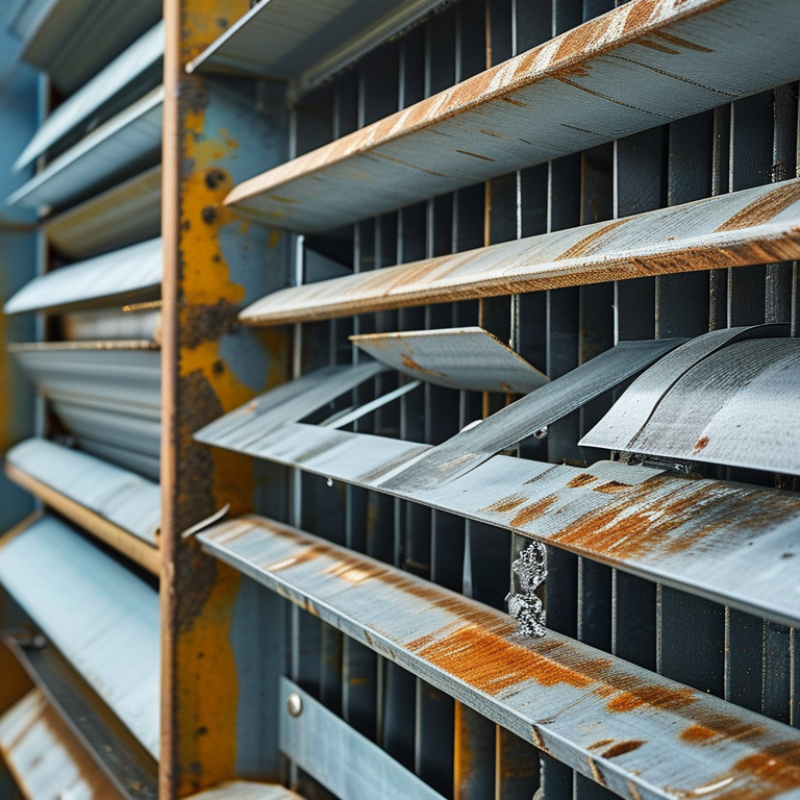
Metal grating can rust without proper treatment.
Plastic may not withstand extreme temperatures.
Fiberglass, while versatile, can be more expensive.
Assessing the specific needs of your project will help guide your choice. Consider factors like load, environment, and cost-effectiveness for the best results.
Evaluating the Strength and Durability Requirements for Your Project
When evaluating the strength and durability requirements for your grating project, consider various factors. The environment plays a crucial role. Outdoor use may demand materials that resist corrosion and extreme weather. For indoor settings, the focus might shift to aesthetic appeal and load-bearing capacity.
Think about the specific loads your grating will support. Light-duty applications may benefit from materials like fiberglass or aluminum. However, heavy industrial use calls for more robust options, such as steel. Each material has its pros and cons. Steel provides excellent strength but can corrode over time. Fiberglass offers lightweight benefits but may not handle heavy loads effectively.
Pay attention to installation conditions. Uneven surfaces can challenge durability. Regular maintenance also affects longevity. Sometimes, the best material isn't the most expensive. Assessing your unique situation can lead to finding the right balance between cost and performance. Reflecting on these details can guide you toward a suitable choice.
How to Choose the Best Grating Material for Your Needs?
| Material Type |
Load Capacity (lbs) |
Corrosion Resistance |
Weight (lbs/sq ft) |
Typical Applications |
| Steel |
1000 |
Moderate |
5 |
Industrial Floors |
| Aluminum |
800 |
High |
3 |
Walkways, Platforms |
| Fiberglass |
600 |
Very High |
2 |
Chemical Plants, Pools |
| Plastic |
400 |
Moderate |
1 |
Residential Uses |
Assessing Environmental Conditions Impacting Grating Material Choice
When selecting grating materials, the environmental conditions play a crucial role. Factors like humidity, temperature, and exposure to chemicals can significantly impact material performance. For instance, a location with high moisture levels may cause certain metals to corrode quickly. Non-corrosive materials might be more suitable in such instances, ensuring longevity and safety.
Additionally, consider the climate conditions when making a choice. Areas with extreme temperatures may require materials that can withstand thermal expansion or contraction. A material that performs well in moderate climates may fail in harsh environments. This decision-making process can feel overwhelming due to the plethora of options available. It’s essential to balance performance and cost-effectiveness based on the specific conditions you anticipate.
It’s also worth noting that your initial choice might not always be ideal. Regular evaluations of the materials in use can provide insights for future improvements. If a chosen grating material shows signs of wear or failure, reevaluating your options is vital. This iterative approach helps refine your decision-making process. Ultimately, consider all environmental factors and remain flexible in your choices to ensure the best outcomes.
Considering Cost-Effectiveness and Maintenance Needs
When selecting a grating material, cost-effectiveness and maintenance are crucial factors. According to a report by the American Institute of Steel Construction, fiberglass-reinforced plastic (FRP) grating can last up to 30 years, which may offset higher initial costs. On the other hand, steel grating may rust and require regular maintenance. A study indicated that maintenance can account for 17% of total lifecycle costs. Therefore, a choice must balance upfront expenses versus long-term upkeep.
Maintenance needs can vary widely among materials. For instance, wood grating often requires treatments and sealing to prevent decay, which can be labor-intensive. A report from the Composite Materials Association highlights that FRP grating has lower maintenance demands due to its resistance to chemicals and moisture. This characteristic appeals to industries where cleanliness and longevity are priorities. Yet, some users may overlook these details, leading to decisions that could incur higher costs later.
Understanding your environment is essential. Installation conditions might influence material selection. Harsh weather? Steel may corrode faster. Indoor usage? Aesthetics might matter more than durability. Reflecting on these factors ensures a well-rounded decision. Ultimately, choosing the right grating material involves more than just comparing prices; it requires considering anticipated maintenance and longevity for optimal efficiency.
Reviewing Safety Standards and Compliance for Grating Materials
When selecting grating materials, safety standards and compliance are critical factors. Various industries rely on grating materials, and these materials must meet specific safety regulations. The Occupational Safety and Health Administration (OSHA) emphasizes the importance of slip resistance and load-bearing capacity in workplace environments. For instance, slip-resistant grating significantly reduces workplace accidents. It's reported that workplaces with proper safety protocols see a 20% decrease in slip-related injuries.
Different materials have distinct safety characteristics. For instance, fiberglass grating can withstand corrosive environments. Aluminum grating is lightweight yet robust. According to the National Floor Safety Institute, materials should have a high friction coefficient to ensure safety. Compliance with standards like ANSI and ASTM is essential for certification and use.
Tips: Always request compliance documentation when purchasing grating materials. Check for ratings specific to your industry. A detailed risk assessment can guide your choice, aligning materials with your work site's unique demands. Regular inspection of your grating can help identify wear or damage, ensuring it continues to meet safety standards. Reflection on past incidents can inform better material choices in the future.
Comparison of Grating Materials Based on Key Safety Standards