How to Choose the Best China Light Curtain Sensor for Your Needs?
Selecting the right China Light Curtain Sensor is crucial for many industries. With safety regulations becoming stricter, the demand for reliable sensors is on the rise. According to a recent report by MarketsandMarkets, the global market for safety sensors, including light curtain sensors, is projected to reach $4.5 billion by 2025. This highlights the increasing importance of such technology in ensuring workplace safety.
When choosing a China Light Curtain Sensor, several factors come into play. You need to evaluate the sensor's response time, sensing range, and environmental resistance. Research indicates that a fast response time can enhance safety by minimizing accident risks. However, not all products perform uniformly. Some sensors may fall short in specific conditions, leading to potential risks.
It's important to reflect on your specific needs and application environments. Not every China Light Curtain Sensor will meet your requirements. Comparing different brands and models is advisable. Understanding certifications and manufacturer reputation is key to making an informed decision. Take time to research, as this technology is critical for operational safety and efficiency.
Understanding Light Curtain Sensors: Types and Their Applications
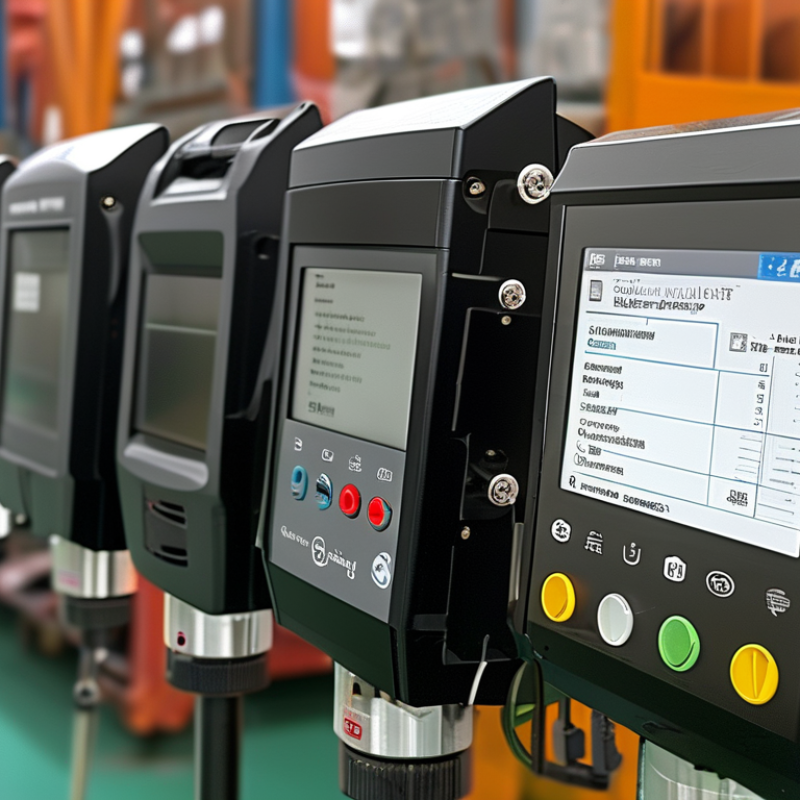
Light curtain sensors are vital in many industries, providing safety and automation. Understanding the different types can help you select the best sensor for your needs. Typically, these devices are categorized into active and passive types. Active light curtains emit infrared beams to detect objects. In contrast, passive types rely on reflected light. Each type serves unique applications, so knowing your environment is crucial.
When considering installation, think about your workspace. Factors like distance, height, and environmental conditions matter. Outdoor areas may require robust, weatherproof sensors, while indoor setups need precise alignment. Light curtain sensors can significantly reduce accidents in machinery operations. They prevent personnel from entering hazardous zones. This clarity ensures user safety.
Tips: Ensure you check the response time of sensors. A fast response can save critical moments. Evaluate the range of detection as well. Misjudging this can lead to unintentional gaps in safety. Also, don't overlook installation challenges. It’s easy to underestimate alignment until you face repeated issues. Take time to plan the setup thoroughly before proceeding.
How to Choose the Best China Light Curtain Sensor for Your Needs?
| Sensor Type |
Detection Range (m) |
Response Time (ms) |
Applications |
Environment |
| 2D Light Curtain |
0.5 - 5 |
10 |
Robot Safety, Machine Guarding |
Indoor |
| 3D Light Curtain |
0.5 - 10 |
15 |
Automated Warehousing, Material Handling |
Indoor/Outdoor |
| Wireless Light Curtain |
0.2 - 3 |
20 |
Mobile Applications, Temporary Setup |
Indoor |
| Safety Light Curtain |
1 - 8 |
12 |
Industrial Safety, Protection of Personnel |
Indoor/Outdoor |
Key Specifications to Consider When Choosing a Light Curtain Sensor
Choosing the right light curtain sensor requires careful consideration of various specifications. One of the key factors is the sensing range. Sensors need to cover the area adequately for effective coverage. Assess the distance between the sensor and the target area. If the range is too short, you won’t achieve optimal safety.
Another important specification is resolution. A higher resolution means the sensor can detect smaller objects, enhancing safety in diverse applications. However, higher resolutions may lead to increased costs. Reflect on your specific needs. A balance between cost and precision is crucial.
Response time is another critical feature. A faster response time ensures that the sensor reacts promptly to interruptions. This can prevent accidents in fast-paced environments. Regularly evaluating these specifications helps maintain reliability. Striking a balance in these aspects is not always straightforward. It requires thoughtful consideration of your unique use case. Understand that what works for one scenario may not suit another. Conducting thorough research leads to better choices.
Industry Standards and Safety Regulations for Light Curtain Sensors
Choosing the right light curtain sensor for your applications is crucial. Understanding industry standards and safety regulations is a vital step in this process. Light curtain sensors must adhere to specific guidelines to ensure they protect personnel and equipment. Key regulations include ISO 13849 and IEC 61496. These standards define performance levels and safety categories for sensors. Compliance ensures that the devices are effective in preventing accidents.
When selecting a sensor, assess its response time and sensing range. A sensor with a faster response can better protect against injuries. Additionally, consider the installation environment. Dust, moisture, and temperature can affect performance. Make sure your chosen sensor can operate effectively within these conditions.
Tips: Always verify certifications. This adds reliability to your choice. Test the sensor in real-world scenarios where it will be used. This helps to identify any shortcomings early. Regular maintenance checks can uncover potential issues that may lead to sensor failure. Remember, safety is non-negotiable in any setup involving light curtain sensors.
How to Choose the Best China Light Curtain Sensor for Your Needs?
Comparative Analysis of Leading Light Curtain Sensor Brands and Models
When selecting a light curtain sensor, understanding the landscape of brands and models is crucial. Recent market reports indicate that the global light curtain sensor market is expected to reach $1 billion by 2025, driven by increasing automation needs across various industries. Therefore, comparing the features of each product becomes essential. Key aspects to consider include sensing range, resolution, and response time. For instance, sensors with a resolution of 14 mm or less are often favored in environments requiring precise measurements.
Different brands may excel in niche aspects. Some models offer enhanced durability, reducing maintenance costs over time. Others prioritize fast response times, ideal for dynamic workspaces. According to industry surveys, 70% of users reported efficiency improvements with light curtain sensors that boast faster detection and response features. However, buyers should be cautious; not all products deliver on their promises. Reports reveal that 30% of users encountered reliability issues within the first year of use with certain models.
Additionally, installation complexity varies significantly across brands. Some sensors require specialized knowledge, while others promote user-friendly setups. Data indicates that 40% of companies face delays due to installation challenges. It is essential to consider these factors to ensure a suitable choice for your specific operational needs.
Installation and Maintenance Best Practices for Light Curtain Sensors
When installing light curtain sensors, attention to detail is crucial for optimal performance. According to industry reports, improper installation can lead to a 30% failure rate in safety systems. Ensuring a robust mounting structure is essential. This prevents misalignment that can inhibit sensor functionality. The sensors should be positioned correctly to detect objects or personnel within their range. Alignment needs regular checks, especially after maintenance activities.
Maintenance practices also play a pivotal role in sensor reliability. Regular cleaning of the detection beams is necessary. Dust and debris can obscure signals, causing false alarms or sensor failures. Experts suggest a monthly cleaning schedule to maintain clear sensor surfaces. However, it's important to note that overzealous cleaning can damage the sensors. Using the wrong materials may harm their protective coatings.
Monitoring the sensor's performance is vital, too. Regular audits can identify issues before they escalate. In a significant number of cases, periodic inspections reduced operational downtime by 25%. Light curtain sensors contribute significantly to workplace safety and efficiency. However, the potential for human error in both installation and maintenance should be acknowledged. Errors in these practices can lead to serious safety incidents.