2026 Best Safety Light Curtain for Global Buyers Insights?
In the world of industrial safety, the Safety Light Curtain has gained significant attention. These devices serve as a critical line of defense, protecting workers from potential hazards. For manufacturers and buyers worldwide, selecting the right Safety Light Curtain is essential. It ensures not only compliance with safety standards but also the well-being of employees.
Understanding the key features of Safety Light Curtains is crucial. They provide reliable protection in various settings, from assembly lines to hazardous zones. However, not all products are created equal. Variability in performance and design can lead to confusion. Buyers need to consider factors such as response time, detection range, and durability.
While many brands tout advanced technology, it’s important to evaluate real-world effectiveness. Some products may lack the robustness needed for high-risk environments. As industries evolve, so do safety needs. The challenge for global buyers is to navigate these complexities. A thorough analysis of the market can lead to better choices. Prioritizing safety means investing wisely in Safety Light Curtains that truly deliver on their promises.
Overview of Safety Light Curtains: Definition and Functionality
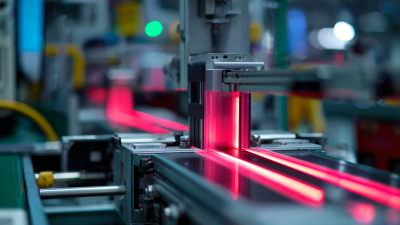
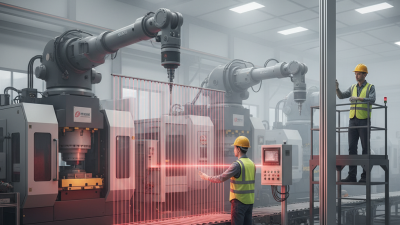
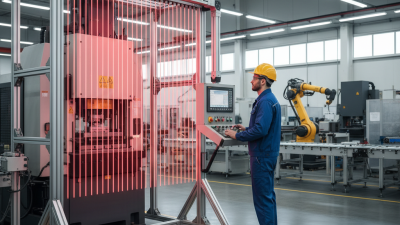
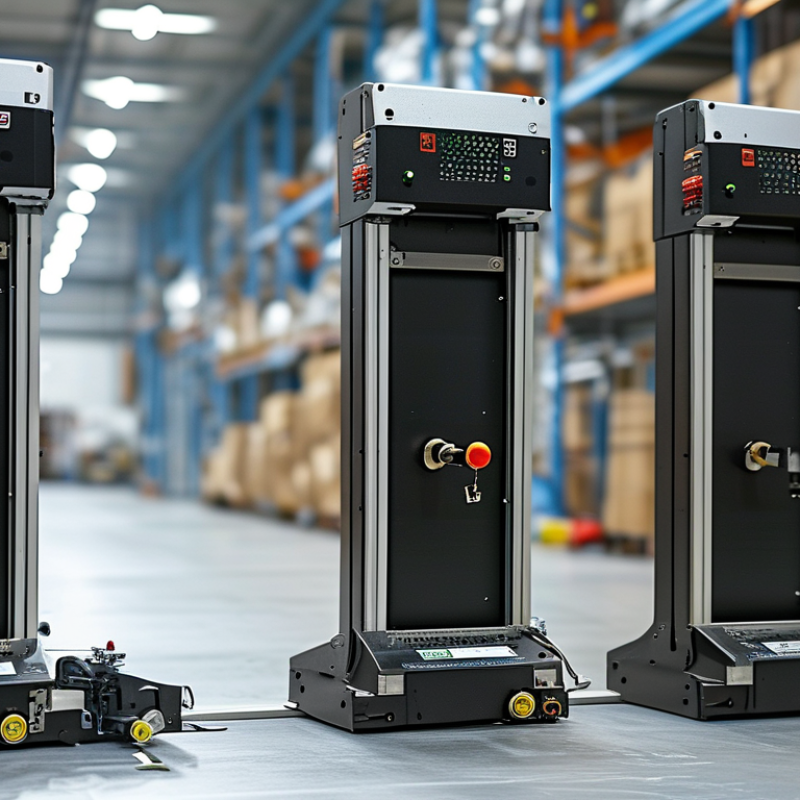
Safety light curtains are crucial devices for ensuring workplace safety. They create an invisible barrier using a series of photoelectric sensors. These sensors detect the presence of objects, especially human limbs. When an object interrupts the light beam, the system triggers a safety response, often halting machinery. This mechanism prevents accidents, protecting workers from injury.
According to a 2022 report by the International Safety Equipment Association (ISEA), safety light curtains can reduce workplace accidents by up to 80%. Many companies overlook their importance, believing they only need physical guards. However, the cost of accidents often outweighs the investment in safety equipment. With the rise of automation, understanding these systems becomes vital. Proper training on their functionality leads to more effective utilization.
Despite their effectiveness, safety light curtains are not foolproof. Misalignment, environmental factors, or maintenance neglect can hinder performance. Regular checks are essential to maintain reliability. Industry experts recommend biennial evaluations to address potential issues. Balancing safety and operational efficiency requires continuous learning and adaptation.
Key Features to Consider When Choosing a Safety Light Curtain
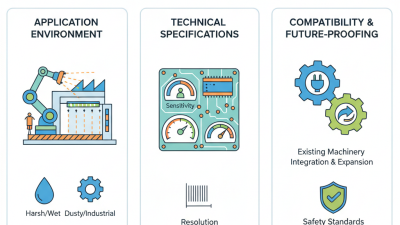
When choosing a safety light curtain, several key features deserve attention. The
detection range is vital; ensuring it covers the intended area is crucial for safety.
Consider the resolution of the curtain. A higher resolution offers better sensitivity, detecting smaller objects.
This aspect is often overlooked, yet it plays a significant role in preventing accidents.
Another factor is the response time. A swift response can significantly reduce risks in hazardous environments.
Delays might seem minor, but they can lead to dangerous situations. Additionally, durability matters.
Environments can be tough, with dust, moisture, or impacts.
The right safety light curtain should be able to withstand these challenges without compromising performance.
While these features are essential, it's important to reflect on your specific needs. Not every feature is necessary for all applications.
For instance, a lower resolution may be acceptable in less risky settings.
Therefore, understanding the unique context of your operation is paramount.
Balancing costs and effectiveness is often a complex decision. Take the time to evaluate the specific conditions where the curtain will be used.
Top Safety Light Curtains Available in 2026: A Comparative Review
In 2026, safety light curtains are more advanced than ever. These devices act as protective barriers in various industrial applications. They prevent accidents by detecting movements and interruptions in light beams. This feature is crucial in keeping workers safe around machinery.
When evaluating safety light curtains, several factors come into play. Response time is essential. A quick reaction can prevent injuries. The resolution of the sensor is another important detail. Higher resolution means better detection of smaller objects. Users often overlook the importance of environmental factors. Dust, humidity, and light interference can diminish performance.
Not all curtains are created equal. Some may perform well indoors but struggle in harsh environments. The durability and material quality are worth exploring. Proper installation and regular maintenance are also crucial. These practices ensure optimal performance. However, many users fail to prioritize them. A lack of training can lead to improper use. Continuous education on these devices can enhance workplace safety significantly.
Global Market Trends in Safety Light Curtain Adoption and Usage
The adoption of safety light curtains is on the rise globally. Industries prioritize employee safety, driving increased usage. These devices create invisible barriers, halting machinery when intrusions occur. More factories now integrate them into their safety protocols, showcasing a commitment to a secure work environment.
Market trends reveal that sectors such as manufacturing and automation are leading the charge. Users appreciate the enhanced safety features and compliance with regulations. However, challenges remain. Some companies hesitate due to costs or complexity in implementation. They often seek budget-friendly options that still meet safety standards.
In regions with stricter safety regulations, the growth is even more pronounced. Manufacturers face intense pressure to comply. Yet, there are instances where outdated equipment conflicts with modern standards. This creates gaps in safety measures that must be addressed. Continuous education and training are essential for effective implementation of safety light curtains.
2026 Best Safety Light Curtain for Global Buyers Insights
| Region |
Market Size (Million USD) |
Growth Rate (%) |
Adoption Rate (%) |
Major Application Industries |
| North America |
250 |
5.8 |
35 |
Manufacturing, Automotive |
| Europe |
300 |
6.5 |
40 |
Food & Beverage, Pharmaceuticals |
| Asia-Pacific |
500 |
7.2 |
30 |
Electronics, Textile |
| Latin America |
120 |
4.0 |
25 |
Construction, Consumer Goods |
| Middle East & Africa |
80 |
3.5 |
20 |
Oil & Gas, Mining |
Future Innovations and Standards in Safety Light Curtain Technology
Safety light curtains are crucial in today's industrial landscape. As we look to the future, several innovations are emerging. The technology aims to enhance worker safety and operational efficiency. Advances in this field strive for improved detection accuracy and faster response times. These enhancements are driven by the need for more reliable safety measures in automated environments.
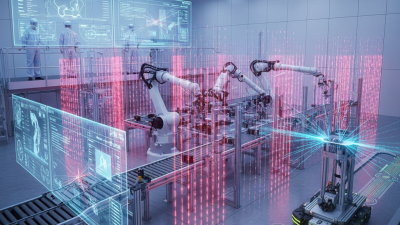
Integrating artificial intelligence into safety light curtains may revolutionize their functionality. AI can help predict risks and adapt to various environments. This leads to not just reactive but proactive safety measures. Additionally, new standards are emerging globally. They focus on compatibility and interoperability among safety devices. This shift pushes manufacturers to innovate continually while maintaining high safety standards.
Despite these advancements, challenges remain. Not all facilities are ready to implement the latest technology. Costs can be a barrier for smaller businesses. Moreover, training workers to adapt to these systems is essential. As the technology evolves, so must the workforce. Addressing these needs will ensure that safety light curtains serve their purpose effectively in the years to come.